The World Health Organization has declared a rare hantavirus outbreak linked to a cruise ship officially over, drawing to a close a health scare that had rippled across dozens of countries since the spring. The all-clear came once the last known contact of an infected person finished a monitoring period without falling ill, breaking the final link in a transmission chain that authorities had tracked for weeks. In all, the cluster caused thirteen infections and three deaths, an unusually heavy toll for a virus rarely encountered at sea. Officials said the closure capped a painstaking international surveillance effort that had stretched from South America to Europe and beyond.
The formal declaration rested on that final case clearing quarantine. The WHO said the last contact completed the required isolation period, tested negative and returned home, and that no new infections had been reported anywhere since 25 May. With more than a month having passed without a fresh case, epidemiologists concluded that the virus was no longer circulating and that the outbreak could safely be declared at an end. The agency had deliberately held off on the announcement until it was confident the chain of transmission had truly been broken.
The human cost stood out precisely because such outbreaks are so uncommon. Health authorities logged thirteen cases in total, twelve of them laboratory confirmed and one classified as probable, alongside three deaths, at least two of which were confirmed as linked to the virus. Modest as those numbers may look in absolute terms, they carried weight because the strain involved can cause severe and sometimes fatal disease. Each fatality served as a reminder of how dangerous a pathogen most travellers would never expect to meet can be.
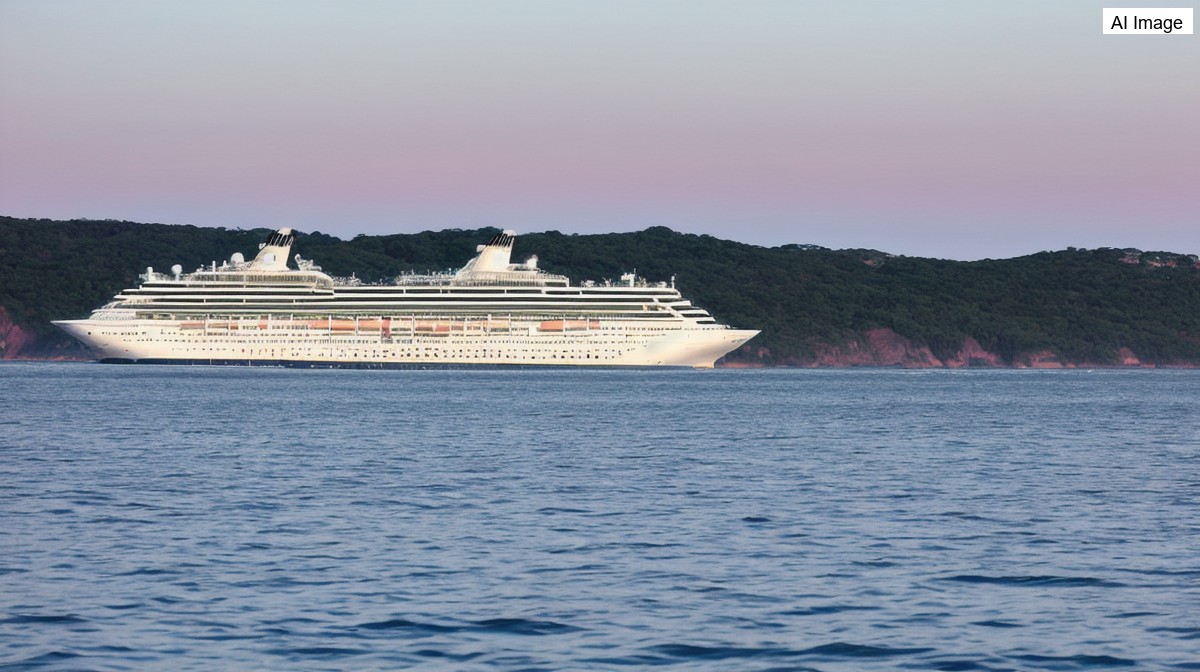
Investigators traced the entire cluster back to a single voyage. The outbreak began aboard the MV Hondius, a Dutch-flagged cruise ship, after it set sail from southern Argentina on 1 April, and the infections it seeded only surfaced later as passengers dispersed to their home countries. What had looked at first like an isolated shipboard illness swiftly became an international concern once the earliest cases were confirmed. The vessel's route through a region where the virus circulates naturally helped explain how those on board came into contact with it in the first place.
The pathogen at the centre of the outbreak was an especially rare one. Officials identified it as the Andes hantavirus, a strain that normally circulates in Argentina and Chile and that has long drawn particular scientific scrutiny. Unlike most hantaviruses, the Andes strain has been documented spreading directly from one person to another in limited circumstances, a trait that sets it apart from its relatives. That unusual characteristic was a central reason health authorities cast such a wide net in identifying everyone who might have been exposed on the ship.
The response reflected just how far the ship's passengers had travelled after disembarking. More than 650 contacts were identified and followed up by health authorities across 33 countries and territories, a sprawling operation that drew in health systems on several continents. Each of those individuals had to be located, informed of their potential exposure and watched for symptoms through the incubation period. The sheer scale of the tracing effort showed how a single cruise could transform a normally localised virus into a worldwide public-health undertaking.
Hantaviruses are usually passed to people through contact with infected rodents or their droppings, and they can trigger severe respiratory illness for which there is no specific cure, leaving early detection and containment as the main tools available to public-health teams. That reality was what made the contact tracing in this case so aggressive and so far-reaching. With the quarantine period now complete and no further infections emerging, the WHO moved to formally close the episode. For the travel industry and the many countries that had spent weeks watching nervously, the declaration brought a quiet but welcome end to the scare.