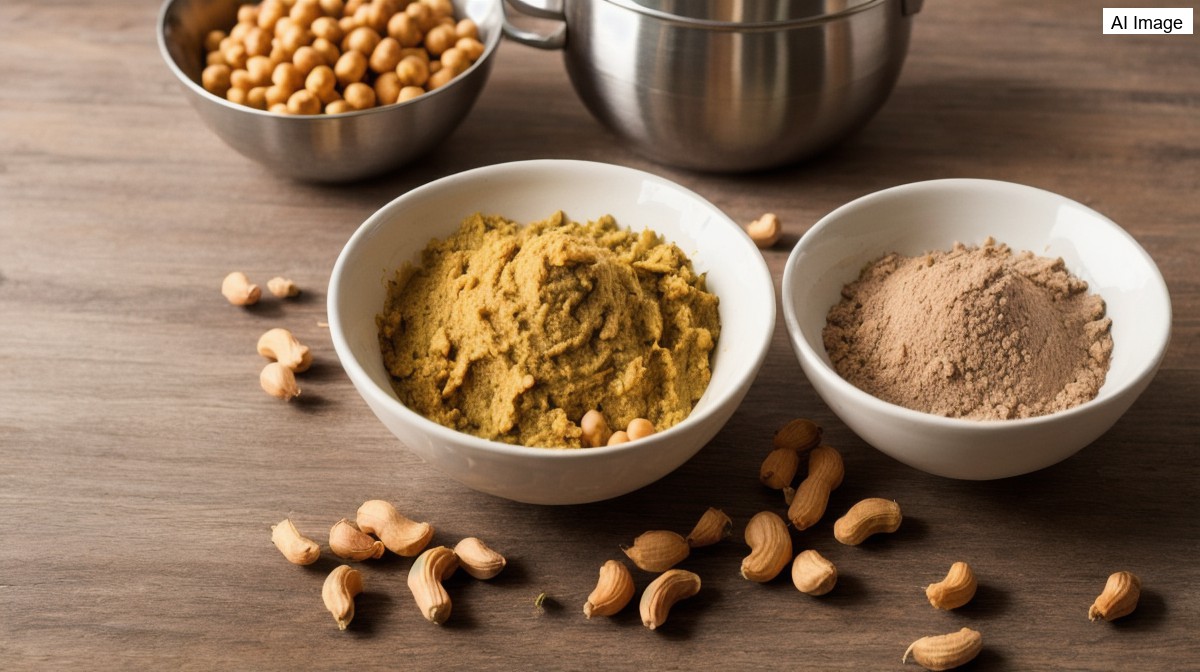
A new high-tech factory in the Queensland town of Kingaroy is turning second-grade peanuts into low-fat, high-protein peanut powder. The plant has opened amid a global protein craze, but its owner, Josh, says that when he came up with the plan, protein was not trending the way it is now. He is confident the demand is not a passing fad.
Kingaroy has long prided itself on being the peanut capital of Australia, yet the industry has been in decline as market forces and companies exiting took their toll. Local member Deb Frecklington said the state government's Regional Economic Futures Fund contributed two million dollars, while a local family and business invested heavily in what she described as a massive risk that has paid off.
Frecklington said the arrival of a value-add manufacturing factory has buoyed locals who had been saddened by the industry's slide. She said that having a manufacturing plant in the town gives confidence back to growers that there is an end use for their product, after years in which companies deciding to exit hit the region, the producers and the industry itself.
The product itself is built around purity and taste. The powder is 55 percent protein, and the nuts are roasted so it carries a strong peanut butter flavour. Josh said his powder is gluten and dairy-free and plant-based, and that, importantly, it tastes nice, avoiding the lingering aftertaste that some traditional proteins leave on the tongue.
He said the fine, talc-like texture is a real selling point, because it allows full dissolvability in products such as beverages and sports-nutrition drinks. His established competition includes whey from cow's milk, soy protein and pea protein, but he believes the flavour and texture give his powder an edge with food manufacturers trying to mask off-flavours.
Imported peanut powders are already sold in Australian supermarkets, but Josh said he will not be competing against them. His customers are food manufacturers in the sports nutrition, bakery, beverage and confectionery sectors, who buy in kilos rather than grams. Since opening, he has been slammed with orders and inquiries.
Alongside replacing imports at home, Josh plans to export, with India a particular target. He pointed to the country's very large and young population, a high vegetarian share and concerns about protein deficiency, arguing a plant-based protein is well suited to such markets. The factory's path was nearly derailed when Bega announced it was selling up, a move that worried the whole industry, before local peanut farmers and shellers, the Crumpton family, bought Bega's Kingaroy and Tolga plants, to the industry's relief.