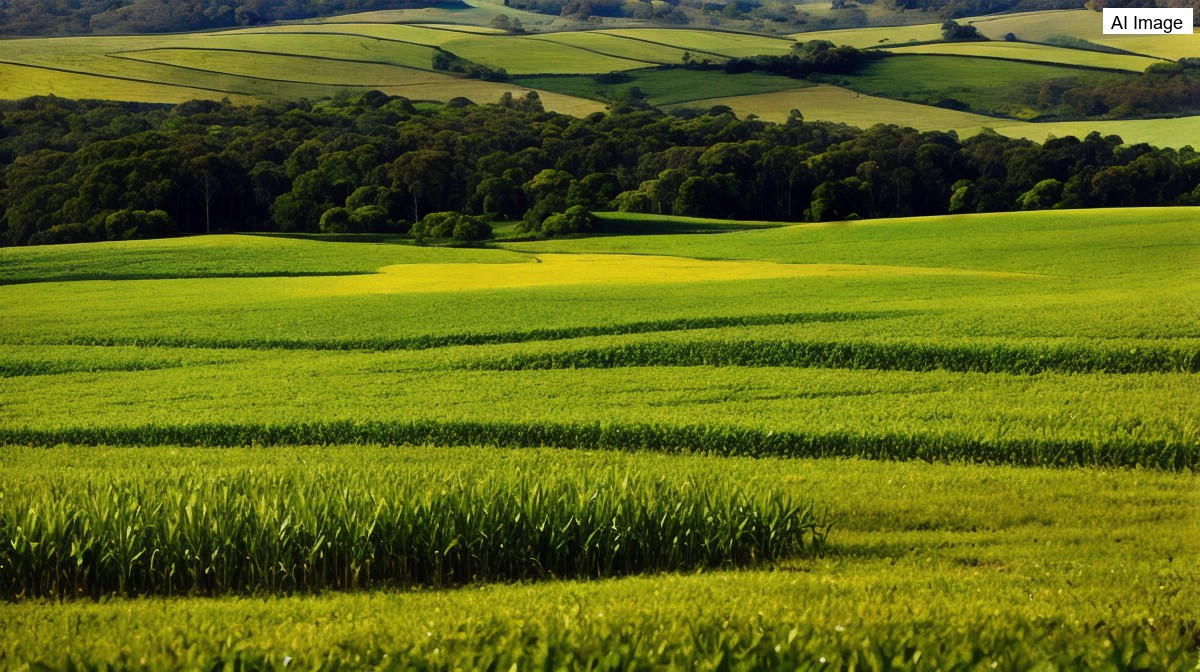
The far north Queensland town of Mossman is going through its first season without sugarcane in more than 125 years, marking the end of an era for a community that built its identity around the crop. After the local sugar mill closed and haulage deals came to a halt last year, growers have been left searching for alternatives to sustain their livelihoods.
New crop trials funded by the Queensland government are now offering the first glimpse of what could replace sugarcane in the region. The state has announced two new projects will receive a combined three hundred thousand dollars from the Mossman Transition Plan, with half the funding directed towards trialling soybean for livestock feed production.
Local grower Drew Watson planted his own commercial soybean crop this season and, despite the challenges of an unusually wet year, expects to make a profit. His results have encouraged other farmers in the region to consider soybean as a viable alternative, particularly as a protein source for the cattle and dairy industries.
Agricultural researchers working on the transition have cautioned that there is no single crop that can replace sugarcane's economic contribution to the region. Instead, they are exploring a range of options to determine what will grow successfully in the local climate and what can be marketed profitably to sustain the farming community long term.
For growers who spent generations cultivating sugarcane, the adjustment has been difficult. Many describe themselves as scratching around for something to do, acknowledging that while the land is productive and capable of growing crops, the challenge lies in finding commodities that can generate a reliable income. The trials and grants represent a cautious but hopeful step forward for a community in transition.