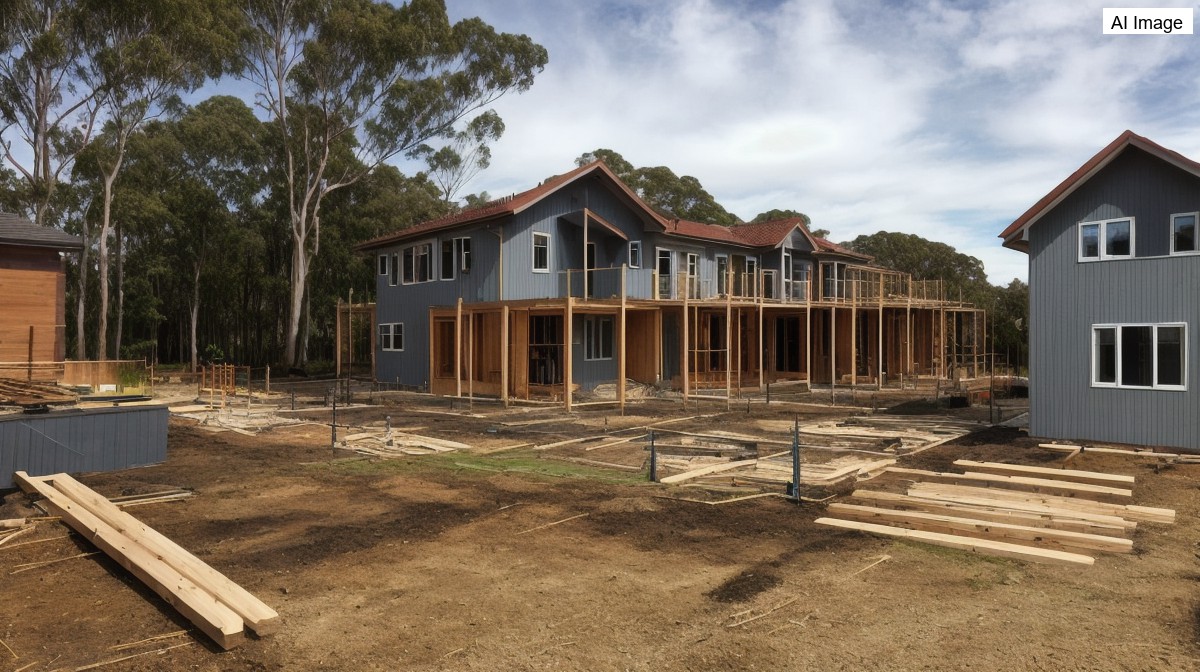
Australia has confirmed that only about one thousand four hundred homes have been built since 2023 out of a total target of forty thousand due by the end of the decade. The figures underscore the severity of the country's housing affordability crisis.
The slow pace of construction means the country is falling dramatically behind schedule in its efforts to address the chronic shortage of affordable housing. At the current rate, the target appears virtually impossible to meet.
Housing affordability has become one of the most pressing political issues in Australia, with rising property prices and rents squeezing families across all major cities and increasingly in regional areas as well.
Construction industry leaders have cited labour shortages, rising material costs and planning delays as key barriers to increasing the pace of home building. The industry says government targets are unrealistic without addressing these systemic obstacles.
Some communities are exploring innovative solutions to the crisis. In western Queensland, the town of Quilpie has been experimenting with flat-pack homes that can be assembled quickly and affordably on site.
The housing shortage has created a domino effect in many regional communities, impacting the growth of local businesses including childcare services. Without available housing, potential workers simply cannot relocate to areas where they are needed.
The government has faced mounting criticism over the widening gap between housing targets and actual delivery. Opposition parties have called for a comprehensive review of housing policy and more aggressive incentives for the construction sector.