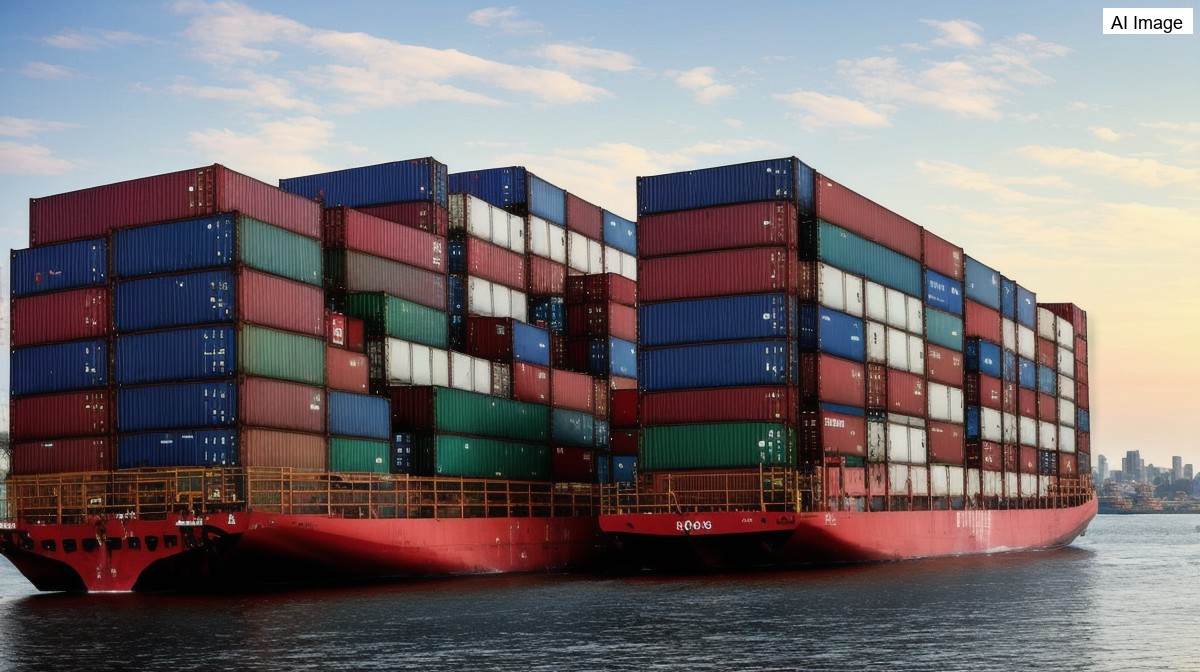
Australia could face a new 12.5 percent tariff as part of a US proposal targeting countries it accuses of failing to stop the import of goods linked to forced labour. The announcement has sent ripples through global trade circles.
The proposal follows the US Supreme Court's decision to strike down the administration's previous tariff strategy, the so-called Liberation Day tariffs. The forced labour investigation provides a new legal basis for imposing broad-based tariffs on trading partners.
Trade experts say the investigation was so broad that the conclusion was probably a foregone one. The proposal targets dozens of economies with varying tariff rates depending on their perceived compliance with forced labour standards.
Australian industry leaders are watching the situation closely, though experts note that the immediate impact may be limited. The tariffs go through a consultation period before taking effect, giving traders time to adjust.
One trade analyst noted that everywhere in the world they have got over similar trade disruptions, and Australia is expected to as well. However, the immediate future may present some tough times for affected sectors.
The proposal has drawn criticism from free trade advocates who argue it represents a misuse of forced labour concerns as a pretext for protectionist policies. They point out that blanket tariffs punish entire economies for the practices of specific sectors.
The Australian government is expected to engage with US trade officials during the consultation period to argue against the inclusion of Australian goods. Diplomatic channels are being used to seek clarification on which specific products and sectors would be affected.