Loading article...
Whyalla steelworks bidders narrowed to two with 1.9 billion dollars in government funding on offer
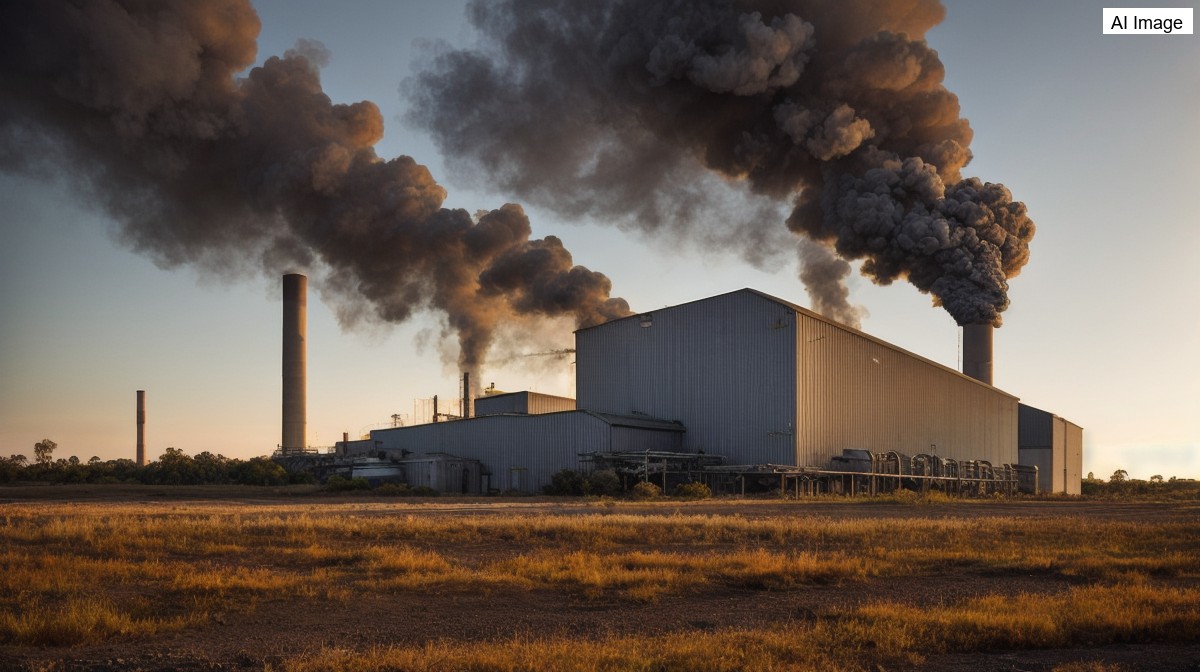
The South Australian and federal governments have reduced the number of potential buyers for the Whyalla steelworks from five to two. The successful bidder will receive 1.9 billion dollars in state and federal funding to transform the facility into a modern low-emissions steelworks. A decision is expected by August or September.
The South Australian and federal governments have narrowed the field of potential buyers for the troubled Whyalla steelworks from five to two, marking a significant step forward in securing the future of the facility that has been in administration for more than 15 months. The successful bidder will receive 1.9 billion dollars in combined state and federal funding to transform the steelworks into a modern, low-emissions facility.
It is understood that one of the two remaining suitors is M Resources, a Queensland-based company. The initial pool of interested parties was considerably larger, with up to 70 potential businesses initially expressing interest in acquiring the steelworks before the field was progressively narrowed through the assessment process.
The blast furnace at the steelworks, which is critical to manufacturing steel at the site, has been offline since last month. A decision will also need to be made as to whether to continue efforts to try to restart the blast furnace or to pursue alternative steelmaking technologies as part of the modernisation plan.
Despite the uncertainty, things are looking up for the town of Whyalla, which has a population of about 22,000 people and relies heavily on the steelworks as a major employer. Prime Minister Anthony Albanese has strongly backed the continuation of steel manufacturing at the site, describing it as important not just for Whyalla but for Australia as a whole.
A final decision on who will take over the steelworks is expected around August or September. The substantial government funding package underscores the strategic importance placed on maintaining domestic steel production capacity, particularly amid global supply chain concerns and the push towards lower-emission industrial processes.