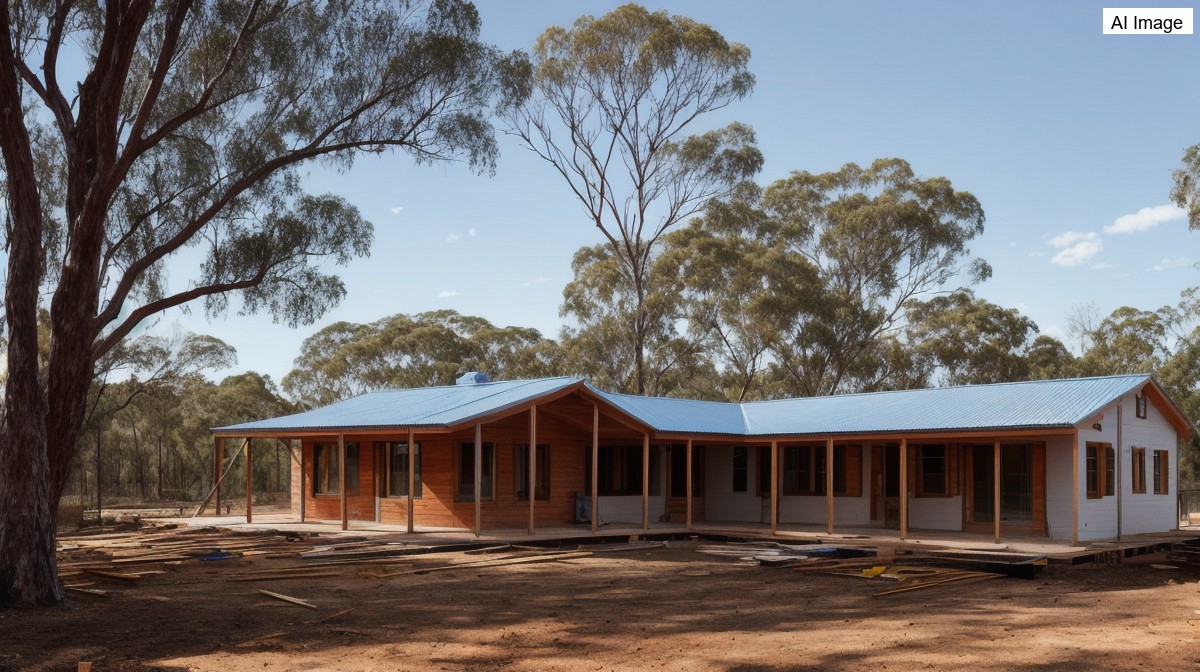
Builders in the remote Queensland town of Quilpie, located nine hours west of Brisbane, are turning to an innovative solution to combat the housing crisis that threatens the community's future. The town is assembling flat-pack homes that are trucked out in pieces and put together on site, in a process that builders describe as being a little bit like Lego.
The first flat-pack home of its kind is currently being assembled in Quilpie, offering hope that modular construction can help address the rising costs of traditional building methods that have made new housing prohibitively expensive in remote communities. The homes arrive as prefabricated components that can be erected far more quickly than conventional construction.
The housing shortage in Quilpie has created a devastating domino effect on the community. Local businesses, including the childcare centre, are struggling because there are simply no homes available for potential workers and their families. Residents warn that if housing is not made available, people will start to move away, undermining the vibrancy and productivity of the town.
This is not the first time Quilpie has experimented with creative solutions to its housing crisis. In 2021, the town earned worldwide media attention for essentially giving land away for free, offering to refund the purchase price if buyers built a home within twelve months. Despite the headlines, only a handful of buyers took advantage of the offer, illustrating the deeper structural challenges facing remote housing markets.
The flat-pack approach addresses several of the barriers that have prevented traditional construction from keeping pace with demand. By manufacturing components in facilities with access to skilled labour and materials, then transporting them to remote sites, the model bypasses many of the logistical challenges that drive up costs in regional and outback communities.
New homes cannot come soon enough for Quilpie, where the lack of available rental properties has forced prospective residents and workers to look elsewhere. The housing shortage is particularly acute in remote Queensland, where the resources sector and agricultural industry create steady employment but the cost and difficulty of building in isolated locations has failed to keep pace.
The Quilpie flat-pack project is being watched closely by other remote communities across Australia facing similar housing challenges. If successful, the model could be replicated across hundreds of regional towns where the traditional construction industry has been unable to deliver affordable housing at the scale needed to sustain population growth and economic development.