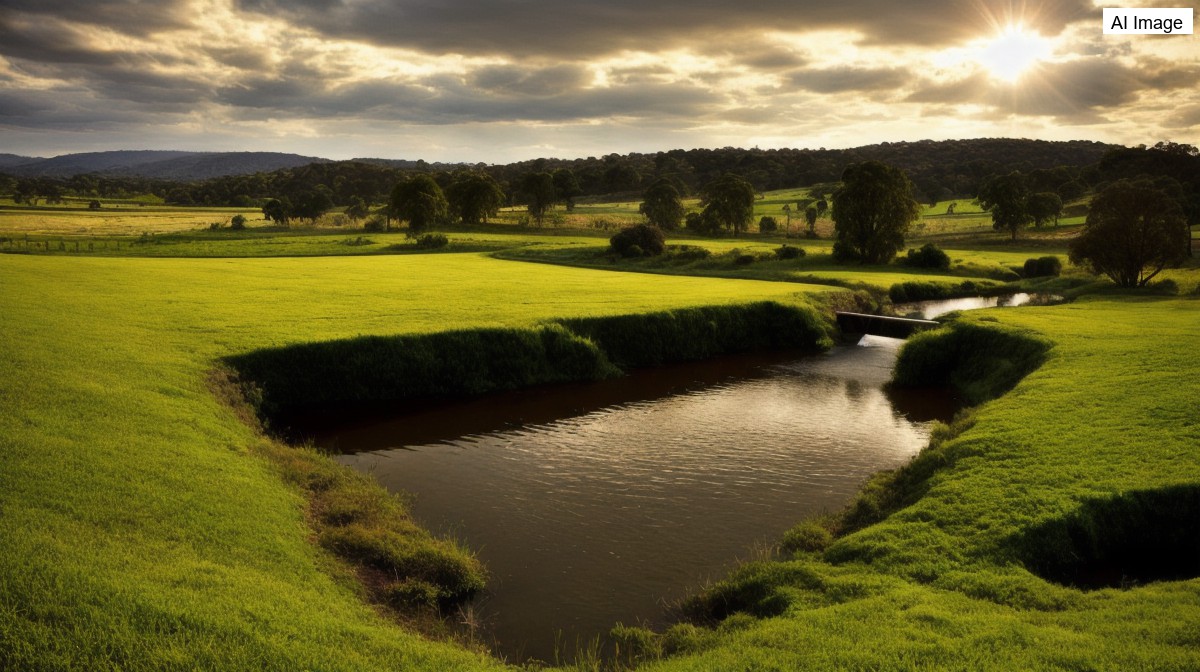
After months of scanning empty skies and watching paddocks turn to dust, farmers across the central west of New South Wales have finally been given reason to look up with something other than despair. Heavy rain has swept across parts of the region in what has become the most significant precipitation event of the year, breaking daily May rainfall records in several locations and sending water cascading into farm dams that had been drained to critically low levels.
For graziers like those at Bell Trees in the Hunter region and croppers further west, the timing could hardly have been better. One farmer reported that a dam that had fallen to just twenty per cent of its capacity has now surged to eighty per cent, a transformation that within days has changed the calculus of how many animals can be sustained through winter and whether supplementary feed purchases can be scaled back from the punishing levels of recent months.
Forage crops planted earlier in the season on the gamble that rain would eventually arrive are now responding vigorously to the moisture, offering the prospect of ground cover that will carry livestock through at least the winter period without the need for expensive bought-in feed. For producers who had been loading cattle onto double-decker trucks bound for the sale yards to reduce numbers and ease the financial burden of rising feed bills, the rain has arrived just in time to halt the forced sell-off.
Farmers are quick to temper their relief with the caution that comes from long experience of drought cycles in inland Australia. Rain does not immediately repair the damage inflicted by months of dry conditions, and the bank balance will take far longer to recover than the pastures. Many parts of the state remain firmly in the grip of drought, and the outlook for winter rainfall across eastern Australia carries no guarantee that follow-up falls will materialise when they are most needed.
Further west in the grain belt of Western Australia, producers have planted more than nine million hectares of crop this season using dry-seeding techniques well ahead of any opening rain. They are now banking on a train of cold fronts forecast for the coming week to deliver the moisture that will germinate their investment. Climate experts caution that models point toward a potentially drier than average winter, making the next few weeks decisive for the fortunes of broadacre farmers across the country's south and west.