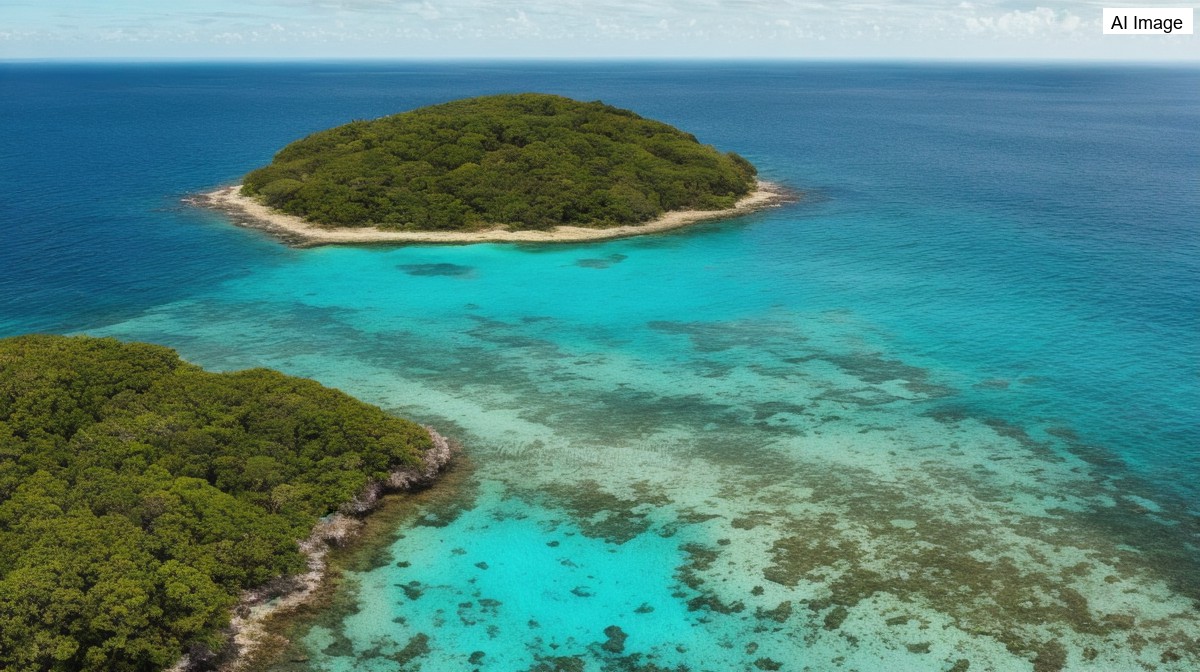
A remote ranger group has secured nearly one million dollars to boost efforts led by traditional owners to control the coral-killing crown-of-thorns starfish in the Torres Strait. The announcement landed on World Ocean Day, a date that marks the connection communities in the region say they hold with the sea every day of the year. For the rangers, the money is a significant step towards getting on top of a threat to the reefs they regard as their asset.
The work is being coordinated by the sea team of the Torres Strait Regional Authority, based in the archipelago that sits between Australia and New Guinea. Don Wopp, who hails from Waiben and is part of that team, explained that the Torres Strait forms part of the wider Great Barrier Reef marine system. That places the islands at the northern end of a reef whose southern sections have long drawn attention for the damage caused by the same starfish.
Crown-of-thorns starfish have always been present in the area, but the situation changed when traditional owners began noticing a sharp rise in their numbers. Communities from Murray Island and Dauar Island picked up the increase and flagged it as a possible outbreak. The sea team then worked with them to assess the reefs and confirmed that an outbreak was indeed under way, prompting the push for funding to respond.
Controlling the starfish is a painstaking task. The creatures are slow-moving, but they are spread across an enormous area of reef, and the response has to be carried out largely by hand. That combination makes the job labour-intensive, requiring people to be physically out on the water rather than relying on any quick fix to bring the numbers down.
The funding is aimed squarely at putting those people in place. According to the rangers, the money will pay for assets on the water, meaning boats crewed by trained personnel who can run the vessels and carry out the diving. Once on the reef, highly skilled divers inject vinegar into the crown-of-thorns starfish, a method that kills them without harming the surrounding ocean. The approach is described as simple and safe, even if the scale of the task remains daunting.
Those involved frame the project as a stepping stone towards managing the outbreak rather than a one-off fix. The effort brings together the Meriam Nation and communities across the region, deliberately weaving traditional knowledge with Western science so that both bodies of knowledge guide the cull. By drawing on local expertise alongside scientific methods, the rangers hope to steadily reduce the starfish numbers and protect the reefs at the heart of their sea country.