Environmentalists and First Nations groups have raised concerns over the South Australian government's proposed water access deal with mining giant BHP. At its Olympic Dam operations, the company currently draws more than 33 million litres of water every day, an amount described as more than enough to supply over 650 homes for an entire year. With the arrangement now heading to parliament, critics say the scale of the extraction and the way the deal is being handled deserve far closer scrutiny.
Much of the criticism centres on the speed at which the legislation is moving. It appears the government is fast-tracking the bill through parliament, even though the current arrangement does not expire for another 10 years. Those who oppose the measure argue that the public consultation carried out so far has been inadequate, leaving little room for communities and other interested parties to have their say before a decision is made.
The process of scrutinising the proposed legislation has also been questioned. A parliamentary committee was set up to examine the bill, but it only heard from BHP and from government representatives. Opponents say that narrow range of voices has undermined confidence in the review, arguing that independent and community perspectives should have been part of the examination of such a significant water deal.
Under the new legislation, the mining company would be required to close one of its wellfields within 10 years. However, a larger second wellfield could continue to operate, meaning substantial water extraction would still take place well into the future. For critics, that outcome falls short of the change they had hoped to see, and it leaves open questions about the long-term impact on the region's limited water resources.
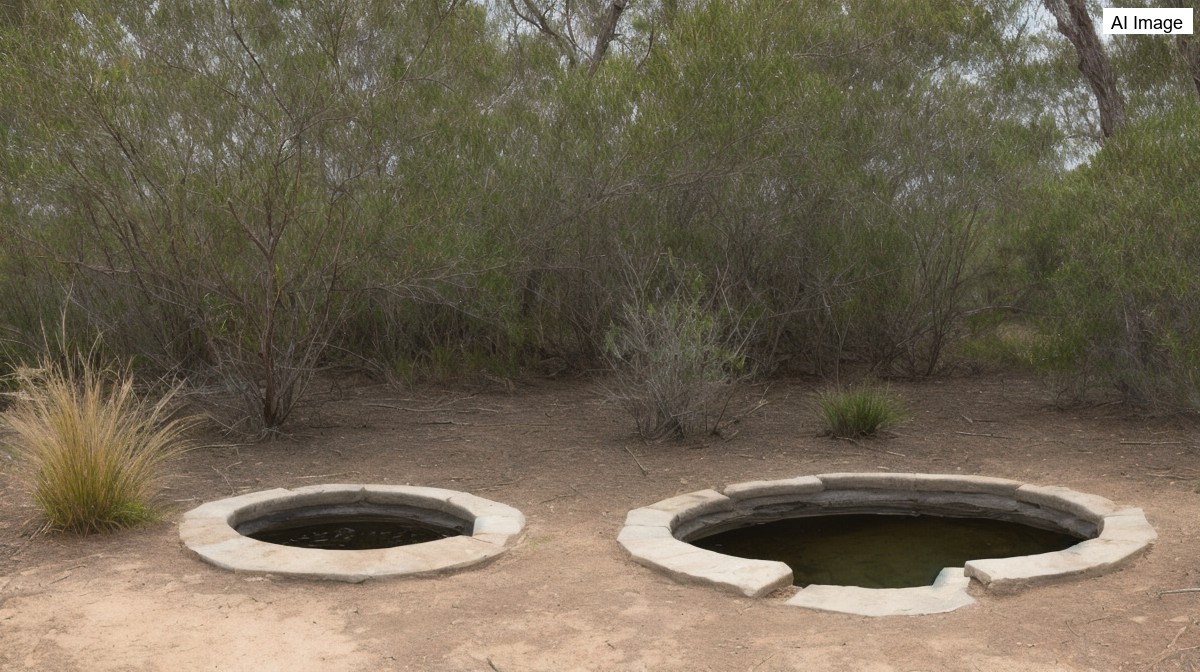
Traditional owners have warned that BHP's water usage has already dried up some outback springs, fragile natural sites that hold deep cultural and environmental value. Environmentalists go further, calling for water extraction to be wound back even sooner than the legislation proposes. For both groups, the springs are a central concern, and they fear that continued large-scale drawing of water could cause lasting damage.
South Australia's mining minister, Tom Koutsantonis, has defended the proposed changes, saying that under the new legislation BHP would face stricter regulations than before. He said the company would also be made responsible for the environmental health of the springs affected by its operations. The legislation is due to be voted on tomorrow in parliament, setting up a decisive moment in the long-running debate over water and mining in the state.