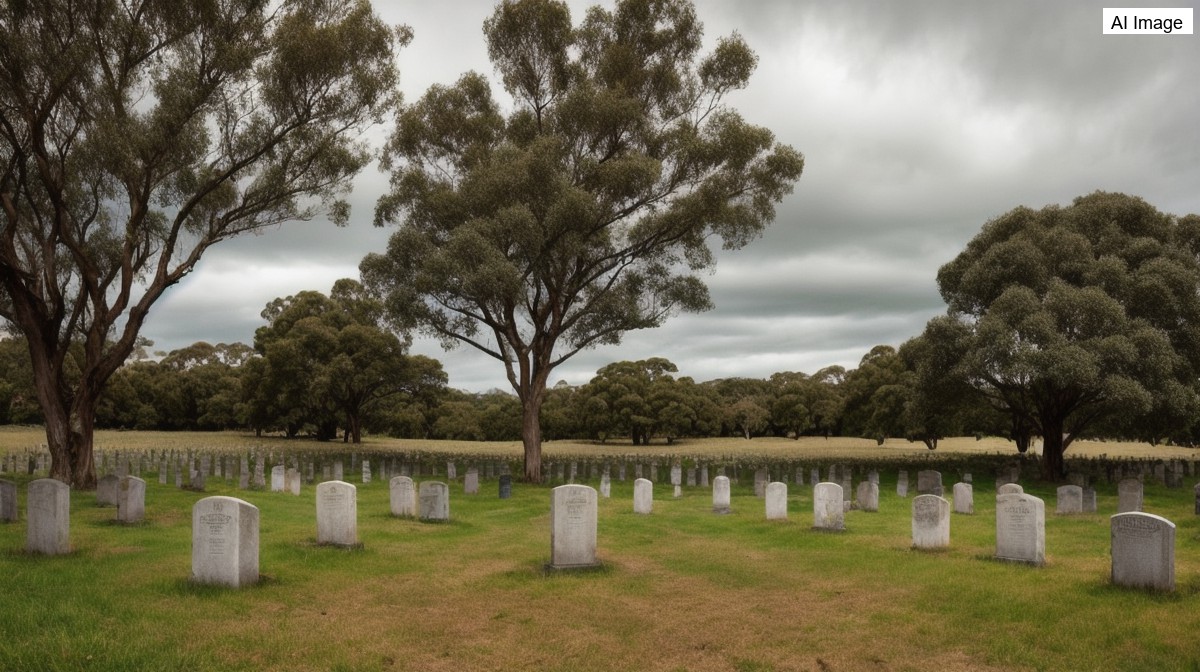
A disturbing chapter of Victoria's colonial past has been brought to light at a historic cemetery in the former goldfields town of Castlemaine. A team of archaeologists engaged by the cemetery trust has identified nine distinct mounds of disturbed earth at the rear of the grounds, concealed beneath dense scrub. Preliminary analysis of the deposits and cross-referencing with archival burial registers indicate that the mounds may hold the remains of thousands of individuals interred during the gold rush period of the mid-nineteenth century.
Historical records maintained by the cemetery indicate that as many as five thousand burials could be accounted for in sections of the grounds that no longer bear any visible markers or headstones. The archaeological investigation has revealed that over a span of many decades, graves in these older sections were systematically excavated and the contents relocated to the bushland at the periphery of the property, a practice that appears to have gone largely unrecorded and unquestioned at the time.
The discovery has sent ripples of shock through the local community in central Victoria, where the cemetery has served as a place of remembrance for generations. Descendants of gold rush settlers who believed their ancestors rested undisturbed beneath the soil are now confronting the possibility that their forebears' remains were among those displaced and deposited without ceremony in unmarked heaps at the edge of the cemetery grounds.
The gold rush era drew hundreds of thousands of migrants to central Victoria from across the globe, creating a transient and often impoverished population whose burial arrangements reflected the chaotic conditions of the times. Many graves were marked with nothing more than a simple wooden cross that deteriorated within years, leaving no lasting trace on the surface. It is believed that subsequent cemetery management decisions led to the removal of remains from these unmarked plots to make way for new interments or other uses of the land.
The archaeological team is now undertaking a careful assessment of the nine mounds to determine the full extent of the deposits and to establish whether any of the remains can be individually identified through surviving records. Heritage authorities in Victoria have been notified, and the findings are expected to prompt a broader review of how colonial-era cemeteries across the state managed their burial grounds during periods of rapid population growth and subsequent decline in the goldfields region.