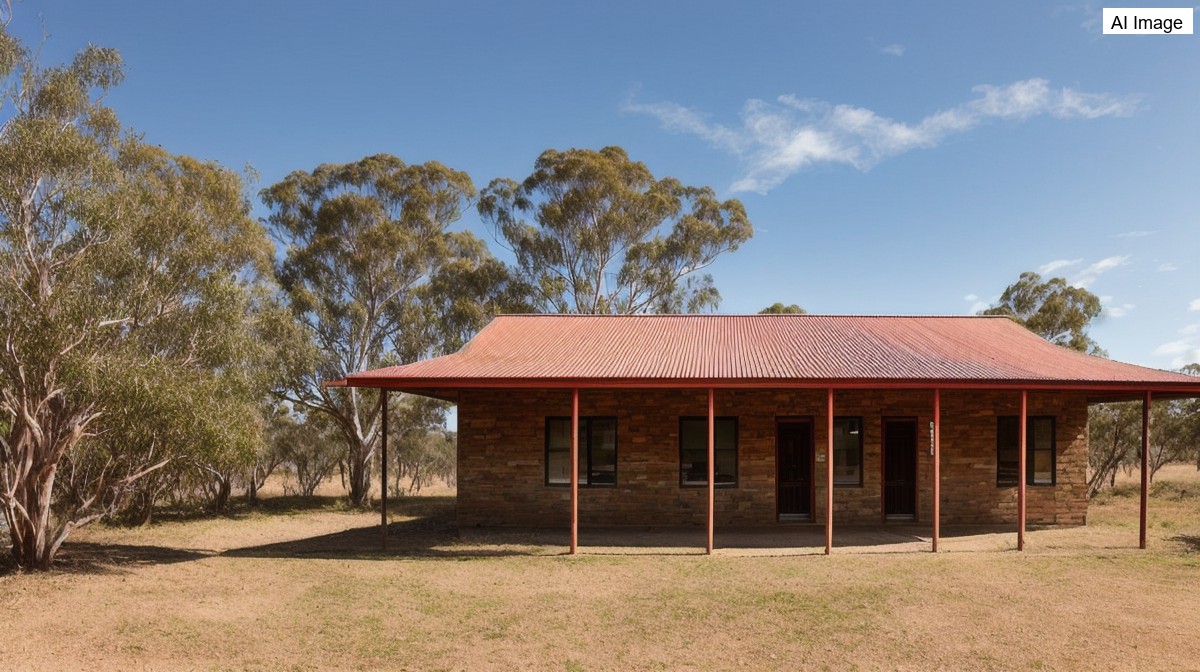
In the dusty reaches of western New South Wales, the small outback town of Wilcannia faces a challenge that statistics alone cannot fully capture. With Aboriginal students making up ninety-seven per cent of enrolments from kindergarten through to year twelve, the two local schools recorded average attendance rates below sixty-five per cent during the first semester of last year, a figure that sits more than twenty percentage points beneath the statewide average of eighty-eight per cent.
To bridge that gap, school leaders in Wilcannia have adopted an approach rarely seen in metropolitan education. At St Teresa's, the principal personally climbs behind the wheel of the school bus each morning, making not one but two separate collection runs through the town's streets before the first bell rings. There are no fixed bus stops or set routes. The bus simply goes wherever the children are, waiting while they finish getting ready, find a missing shoe or have their hair done.
Across town, Wilcannia Central School runs its own daily collection service, and both institutions operate free breakfast programmes to make sure students arrive ready to concentrate. Staff at both schools recognise that asking a child to learn on an empty stomach is like expecting a device to function on a flat battery, and the morning meal has become as important to the school day as any lesson on the timetable.
The reasons behind the attendance struggle are deeply rooted in the realities of remote Aboriginal community life. Overcrowded housing, cultural obligations including sorry business, and the sheer distance to essential services all play a role. Some families must travel to Broken Hill simply to buy groceries, a round trip that can cost an entire school day. These are not excuses but structural barriers that no amount of curriculum reform alone can dismantle.
Despite the daunting numbers, the Wilcannia community refuses to accept them as permanent. Teachers, parents and local organisations continue to work together to chip away at the attendance gap, one morning bus run and one breakfast plate at a time. Their effort stands as a quiet testament to the lengths remote Australian communities will go to ensure that every child, regardless of postcode, is given the chance to walk through a classroom door.