Millions of Australian households are set to receive much-needed cost of living relief as electricity prices are expected to fall in parts of the country from July. The price reduction comes despite the ongoing global supply shock caused by the conflict in Iran, which has driven up energy costs in many countries around the world.
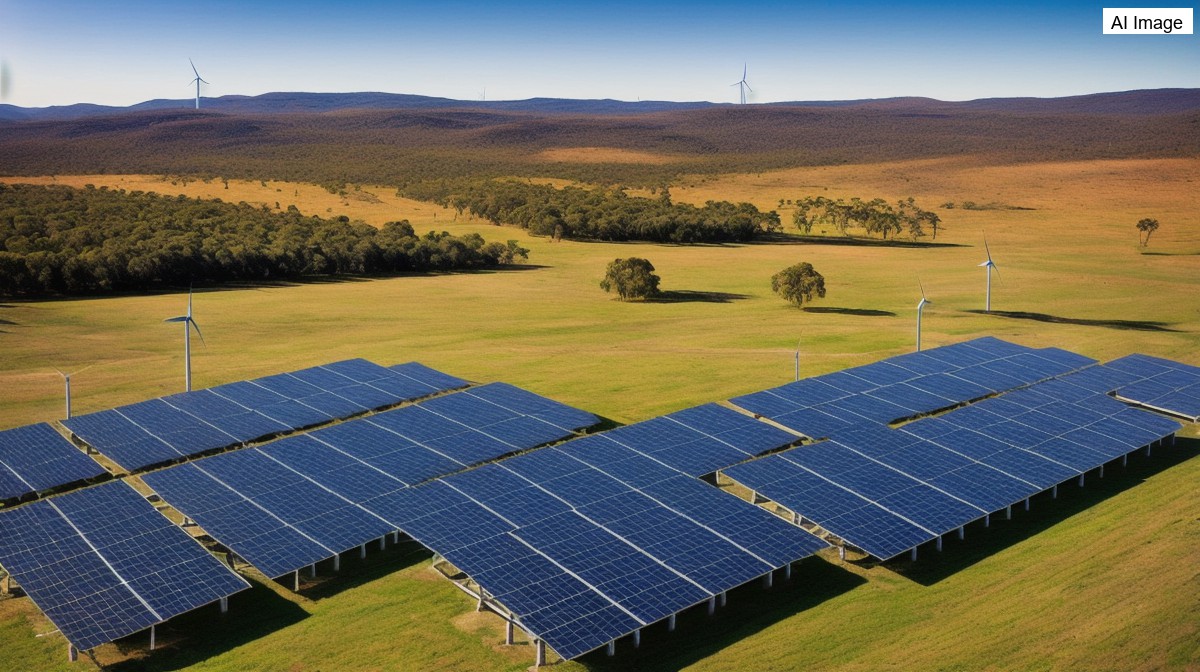
The key factor behind the expected decrease is the surge in renewable energy production across Australia. Record amounts of solar and wind generation have eased the cost of producing electricity domestically, effectively shielding Australian consumers from the worst effects of the international energy crisis triggered by disruptions to oil supply through the Strait of Hormuz.
Energy market analysts point to Australia's accelerating renewable transition as a structural advantage that is now delivering tangible benefits to households. While countries heavily dependent on fossil fuel imports face sustained price pressures, Australia's growing domestic clean energy capacity has created a buffer against international volatility.
The announcement comes at a time when affordability remains the top concern for Australian families. Rising costs across groceries, housing and insurance have squeezed household budgets, making any reduction in essential bills particularly welcome. The government has highlighted the power price decrease as evidence that its energy policies are working for consumers.
Industry observers note that while the overall trend is positive, the price reductions will vary by state and by retailer. Some regions with higher proportions of renewable generation are expected to see larger decreases. The development also strengthens the case for continued investment in clean energy infrastructure, with proponents arguing that energy independence through renewables is both an economic and national security imperative.