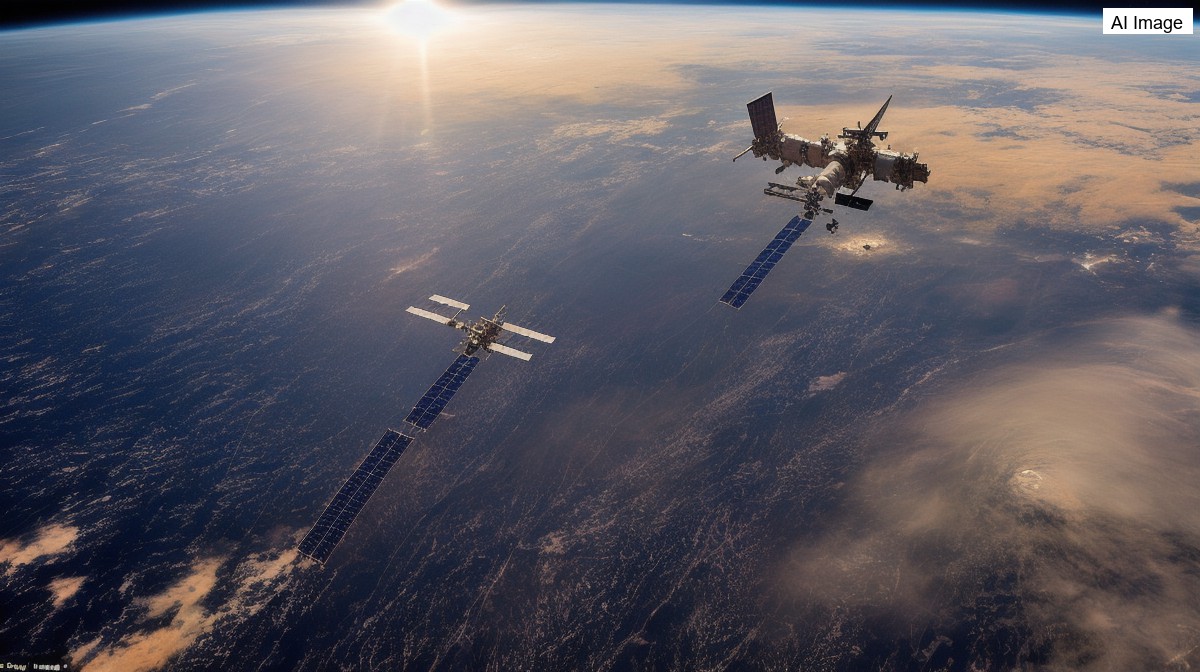
The dream of seeing an Australian flag sewn onto a spacesuit aboard the International Space Station has taken a significant step closer to reality. The European Space Agency has formally extended an offer to the Australian government that would place Catherine Bennell-Pegg, the reigning Australian of the Year, on a mission to the orbiting laboratory, potentially making her the first person to represent Australia in human spaceflight.
Bennell-Pegg, who has dedicated her career to space science and has become one of the country's most prominent advocates for Australian participation in the global space sector, described the opportunity as a chance to unlock a new frontier for the nation. She expressed hope that flying under the Australian flag would pave the way for the country to establish a permanent presence in crewed space activities, including the ability to send research payloads and conduct experiments in microgravity.
The scale of the investment required, however, remains a formidable hurdle. Partnerships of the kind being discussed with the European Space Agency are typically valued in the vicinity of one hundred million dollars, a sum that would need to come from some combination of government funding and private contributions. Bennell-Pegg has launched a crowdfunding campaign to rally financial support from the Australian public, though the federal government has not yet committed any public money to the initiative.
Advocates for the mission argue that the return on such an investment would extend far beyond a single flight. Joining the human spaceflight community would give Australia access to a global space economy now approaching one trillion dollars in annual value, opening doors to commercial partnerships, technology transfers and scientific collaborations that would generate economic benefits for decades to come.
In the meantime, Bennell-Pegg is touring regional Australia to inspire the next generation of scientists and engineers. Speaking from Kalgoorlie in Western Australia, she told ABC News that meeting young people in remote communities and encouraging them to dream big about careers in space and science is as important to her as the mission itself. The federal government says it is in discussions with the European Space Agency about potential Australian participation but has offered no timeline for a decision on funding.