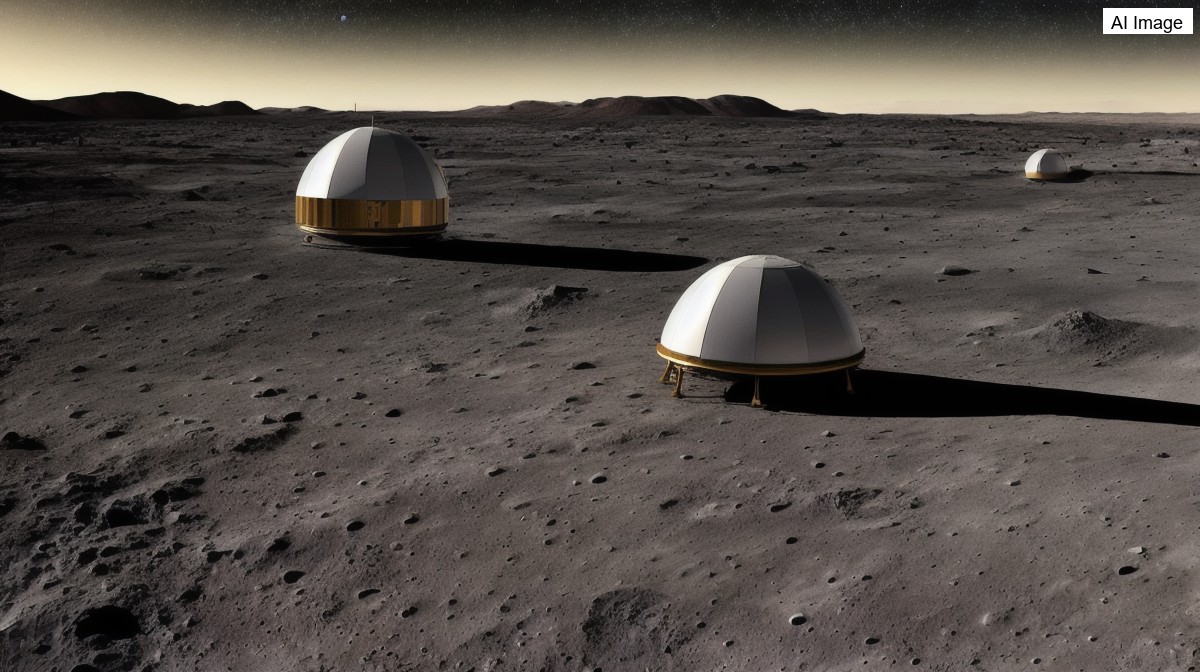
More than 50 years since humans last set foot on the Moon, NASA has unveiled its ambitious plan to return and establish a permanent base on the lunar surface. The Space Agency laid out a comprehensive three-phase Moonbase mission that aims to have humans living and working on the Moon within the next decade. The announcement comes less than two months after the record-breaking Artemis 2 lunar fly-around mission, signalling NASA's determination to maintain momentum in its lunar programme.
The first phase of the Moonbase plan involves paying four American companies hundreds of millions of dollars to build robotic landers and hopping drones designed to experiment with and learn about the Moon's terrain. These robotic precursors will map potential habitation sites, test construction techniques and assess the viability of using lunar resources. The data gathered during this initial phase will be critical for informing the design and placement of permanent structures in subsequent stages.
From 2029, NASA plans to enter the second phase by assembling nuclear and solar power facilities on the lunar surface to enable early habitation. These energy systems will be essential for sustaining life on the Moon, where temperatures can swing from extreme heat to extreme cold and where the 14-day lunar night cycle makes solar power alone insufficient. The combination of nuclear and solar energy is expected to provide reliable, continuous power for habitation modules, life support systems and scientific equipment.
The third and final phase envisions an ongoing human presence beginning by 2032. According to NASA officials, once the necessary assets, habitation modules and logistics infrastructure are matched and operational, the agency will be able to declare a permanent presence on the Moon. The Moonbase will serve as the home base for Artemis crews and will encompass long-duration stays, expanded robotic and human capabilities, and what NASA describes as an enduring presence on the lunar surface.
However, some space experts have expressed scepticism about NASA's timeline, describing the milestones as extremely challenging. The history of space exploration is littered with delayed missions and budget overruns, and establishing a permanent lunar base represents an engineering and logistical challenge of unprecedented scale. Nevertheless, the announcement has generated excitement within the space community and renewed public interest in lunar exploration, with NASA positioning the Moonbase as a stepping stone for eventual crewed missions to Mars and beyond.