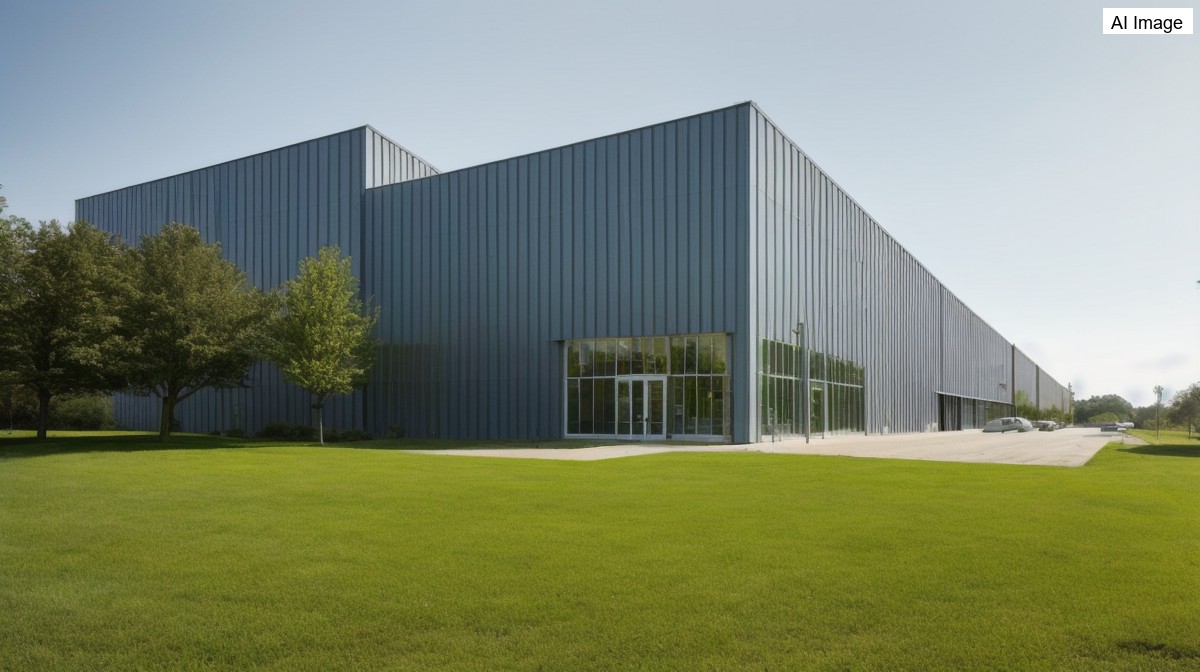
The water demands of new-generation data centres have come under scrutiny at a New South Wales Upper House inquiry examining the sector. One of the headline figures is an estimate from Sydney Water that data centres could add an extra 20 percent to demand within a decade. The question of how that water will be sourced, and what it could mean for households, has become a central part of the discussion.
In its submission to the inquiry, Penrith City Council warned that new housing development could be put at risk by the demands of new-generation data centres. The concern is that, in a fast-growing part of Sydney, the resources needed to power and cool large data facilities could compete with the infrastructure required to support new homes. The warning has sharpened attention on how the two priorities can be balanced.
Sydney Water has sought to reassure the inquiry that the bulk of the demand would not fall on drinking water. According to the utility, it expects to supply the very large amount of water needed from recycled water or other non-rainfall-dependent sources. Generally, it says, there will not be much of a need for data centres to draw on drinking water supplies at all.
There are, however, some exceptions. Sydney Water acknowledged that occasionally it is not very technically feasible to supply a site with recycled water. The further a data centre is from a recycled water plant or main, the harder it becomes. For that reason, the utility encourages data centres to locate as close as possible to those facilities, and pointed to desalination near the coast as another potential source.
In some cases, Sydney Water said it might supply a limited amount of potable water in the short term. This would allow a business to establish itself while the utility builds the network infrastructure needed to deliver recycled water. The idea is to let a project get under way rather than holding it up, with the recycled water supply put in place over time.
Asked whether data centres that cannot use recycled water should simply be required to set up elsewhere, Sydney Water framed it less as forcing and more as negotiation. Through its liaison with operators, it explores what is feasible, and in some cases a data centre may end up choosing a different option or location for a range of reasons, including water availability.
Water is only one of the factors data centres have to weigh up. Sydney Water noted that operators also optimise for land, for energy, which it described as an even bigger part of their resource needs, and for telecommunications and fibre connections. While the sector often points to recycling and other solutions, the inquiry underlined that the rapid growth of data centres is now testing how Sydney manages competing demands on its resources.