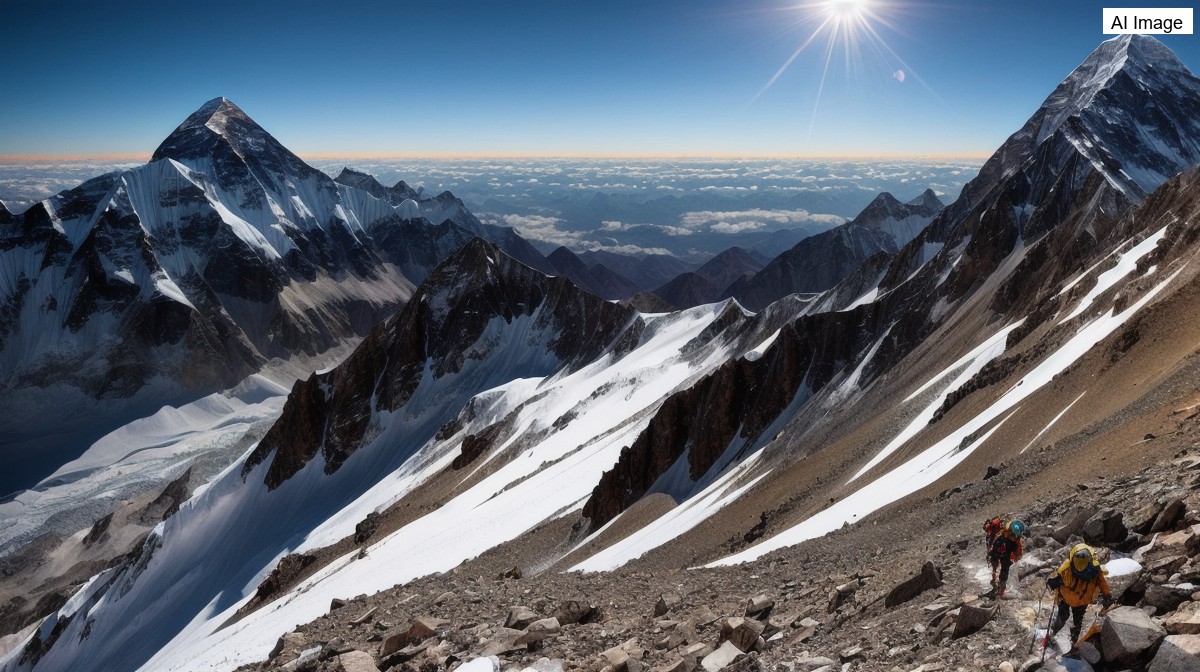
The 2026 Everest climbing season is drawing to a close and appears set to be the busiest in the mountain's history, with Nepal issuing a record number of permits and more than 950 people reaching the summit. The season has reignited debates about crowding, sustainability and the management of the world's highest peak.
Ben Ayres, who runs the Everest Live platform and reports from Everest Base Camp, told ABC News Australia that the record numbers were partly driven by China's decision to close its north side of the mountain to all foreign climbers this year, pushing even more expeditions onto the Nepal route. Large expedition companies also signed up very late in the season, tipping the numbers over previous records.
Despite images of traffic jams on the mountain, Ayres explained that the crowding was concentrated on just two days during the season when companies were trying to avoid each other's schedules. Many other summit days were relatively empty, with the compression caused by weather windows rather than the initial delay from the Khumbu Icefall closure, which was quickly overcome.
Among the climbers was Kamirita Sherpa, who completed his 32nd summit of Everest this season. Ayres, who spoke with Kamirita, said the veteran climber looks back wistfully at the quieter early days of mountaineering on Everest but remains outspoken about the positive economic impact the climbing industry has on Nepal, providing employment for thousands of workers who would otherwise have few opportunities.
Despite being the busiest season on record, it was not a particularly deadly one, which Ayres attributed to improvements in safety management and experience among climbing teams. The question of sustainability remains open, as the Nepali government has not placed any limits on the number of climbing permits issued, and the trend of growing numbers is expected to continue in the coming years.