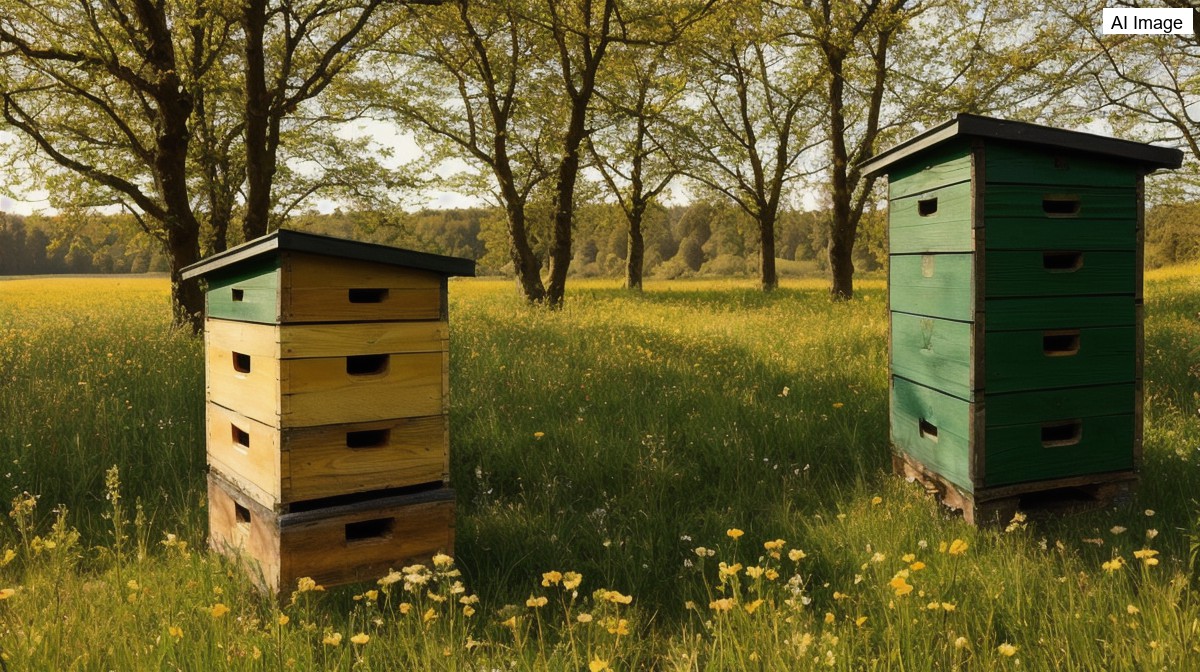
A group of young people in Tasmania is learning the craft of beekeeping through a club that lets children get hands on with real hives. The Tasmanian Junior Beekeepers meet regularly to tend bees, inspect frames and learn how a colony works, gaining practical skills that reach well beyond the classroom. The hands-on approach has become a defining feature of the club.
Part of the club's approach is to let the children take on genuine responsibility, including tasks that carry a degree of risk. Organisers say they allow the young members to light the smokers and use their hive tools themselves. The idea is that handling sharp equipment and fire helps the children understand what risk is and how to manage it safely, rather than being kept away from it.
The club is also built around mentoring, with older students helping the newer members find their feet. Before anyone approaches the hives, the whole group takes a moment to slow down. They stand together and count down from ten, a small ritual designed to make sure everyone is calm and composed before going in among the bees.
That sense of calm is treated as a core part of being a beekeeper. The organisers describe it as a kind of meditation, getting into the groove of slow and gentle movements. They say it helps the children make the transition from the busyness of the classroom to the focus required at the hives, where sudden or nervous movements are best avoided.
Once at the hives, the students become absorbed in the work. They open each box looking for clues about the colony's health and what stage the bees have reached, searching for a brood pattern with brood in the middle of the frame and honey, pollen and nectar around the outside. So far they have spotted larvae, eggs, pollen and nectar, while still hunting for the queen.
The inspections also teach the children about the pressures facing the bees. As they work through the frames, the students can see how dry conditions are affecting how much food the bees are able to access. Many describe the experience as soothing, saying the hum of the hive settles them as they move gently and patiently among the frames.
Beyond the hives, the club meets once a month for a range of bee-related activities, including making value-added products. One of these is beeswax wraps, which are used to keep food fresh and can replace single-use cling wrap when packing lunches. The group says it is not keen on single-use plastic, and the wraps can be reused for up to twelve months.