Australian authorities are urging people who venture into remote areas to carry cheap, easy to use personal locator beacons, saying the small devices could prevent the kind of lonely deaths that have devastated families in the outback. The message has been brought into focus through a report following one mother's painful return to the place where she lost two members of her family.
Kelly Townsend made an 800 kilometre road trip back to the spot where, two years ago, her son and her former husband perished. It was the first time she had returned since, and she described feeling anxious and knotted up inside as she travelled through what she called the fast and big country, remarking on just how vast and unforgiving the landscape is.
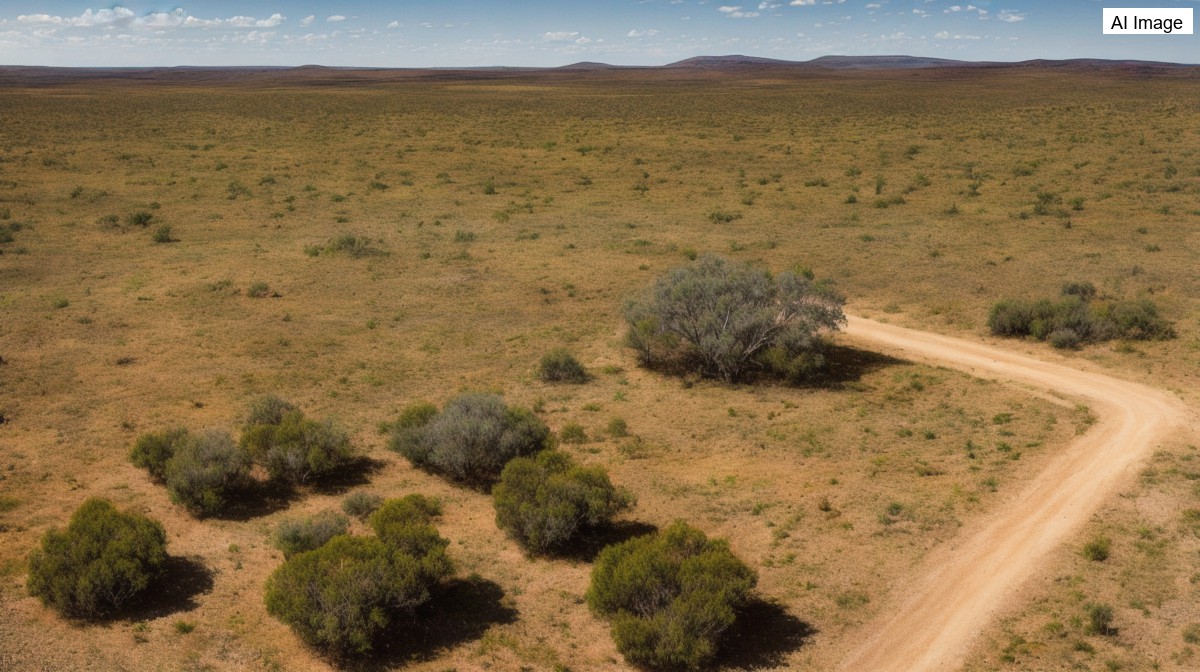
Her son, 33 year old James, and his 66 year old father Ray had travelled to the Murchison region of Western Australia to go prospecting. In late February 2024 they headed to an isolated spot about 60 kilometres southeast of Meekatharra, an area far from help and difficult to reach for anyone who runs into trouble.
The pair had packed their four wheel drive and brought along a brand new metal detector for the trip. What they did not have, however, was a personal locator beacon, the very device that authorities say can summon assistance when people become stranded a long way from the nearest town or settlement.
The alarm was not raised until four days later, when local prospectors noticed their empty campsite. Police later told Kelly they had found Ray's vehicle in Meekatharra and that the two men had not been sighted around where they had been camping, the first signs that something had gone badly wrong on the trip.
Kelly recalled the moment officers arrived at her door, just as she was getting ready to go to a Pink concert on the Saturday of the long weekend, and how she slipped into a numb disbelief, thinking the situation could not be real. A full scale search soon ramped up, drawing in dozens of volunteers across the remote and challenging terrain.
She remembered James as a caring and loving man with a contagious, cheeky giggle, someone who had not taken to school and at 16 headed north to work on cattle stations. Although she and Ray had separated after more than a decade of marriage, they had remained on good terms, and the report used their loss to press the case that a simple, inexpensive beacon might have changed everything.