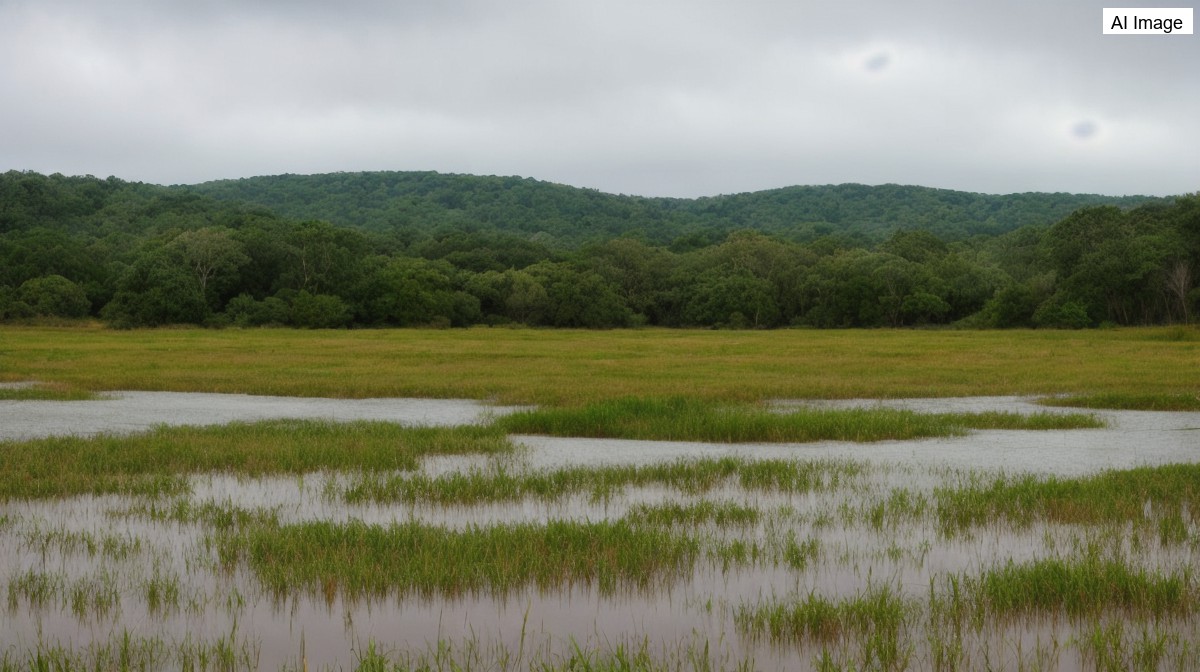
The waters of Lake Tanganyika are rising, and along its shores around Bujumbura in Burundi they are steadily reclaiming the land. What was once dry ground used by residents and farmers has been taken back by the lake, leaving flooded plots where homes and fields used to be. For many living near the water, the change has been slow but relentless, and some are described as still being in shock, with little expectation that what they have lost will ever come back.
One man described how he had begun investing in a lakeside site years ago, putting his resources into a place by the water. Instead of building something lasting, he watched the lake steadily reclaim the land beneath it. His account captured the quiet way the rising water has worked, advancing over time until the ground he had counted on was simply gone. For people in his situation, the loss is not only of land but of the effort and money poured into it.
Farther south of Bujumbura, the impact is just as severe, but it is measured in crops and livelihoods rather than buildings. Farmers there say the rising water has swallowed fields that once fed their families and generated income. The land that supported daily life has disappeared beneath the lake, leaving households without the harvests they depended on and without the earnings those harvests brought in.
The farmers describe the loss in plain terms. They say they have lost their land, their oil palms and their cassava fields, the crops that formed the backbone of their farming. As one put it, there is nothing left to see but flooded land. Where rows of plants once grew, water now stands, erasing the fields and the work that had gone into them and leaving families to face an uncertain future without their main source of food and income.
Environmental experts say the rise is linked to heavy rainfall across the wider sub-region. The water moves through a network of interconnected lakes and rivers, and a key part of that system is the drainage from Lake Kivu down the Rusizi River and into Lake Tanganyika. As rain swells the upstream waters, that flow feeds into Tanganyika, helping to push its level higher and to keep it elevated over a sustained period rather than allowing it to fall back quickly.
Lake Tanganyika does not belong to Burundi alone. It is shared by Burundi, the Democratic Republic of Congo, Tanzania and Zambia, making it a body of water whose behavior touches several countries at once. That shared nature means the forces driving the lake higher, and the consequences of its rising waters, are not confined to one nation, even as communities like those near Bujumbura feel the effects directly on their own land.
What worries scientists is that the lake has not returned to its expected levels even after the major floods linked to the recent El Nino period. Rather than receding once that episode passed, the water has stayed high, raising fears that extreme weather patterns and longer term climate pressures are changing the basis on which the lake behaves. For the families who have already lost land and crops, that prospect suggests the flooding they are living through may not be a passing event but part of a deeper shift.