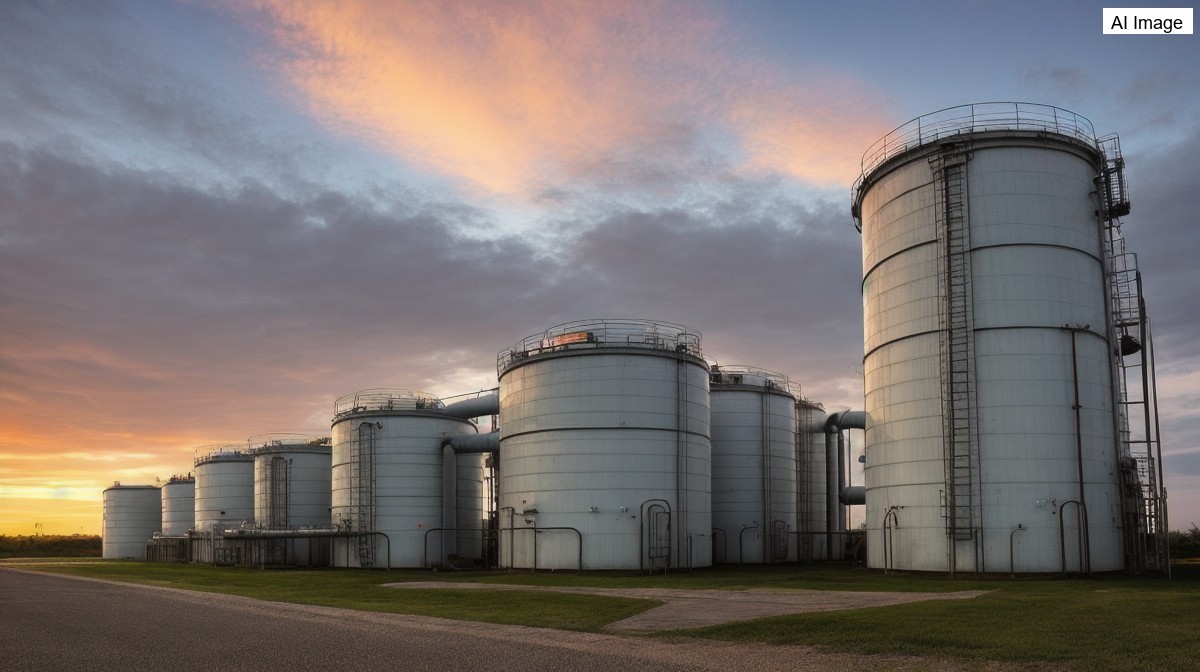
Air Canada is trying to calm nervous travellers, joining a handful of European carriers in assuring customers that a jet fuel shortage will not disrupt their summer plans. The country's largest airline has urged Canadians not to be concerned, even as questions linger over the reliability of fuel supplies heading into the busiest travel season of the year.
The reassurance came in unusually direct form. More than a month after the International Energy Authority warned that Europe could run out of jet fuel, Air Canada emailed customers to tell them flatly that there is no fuel shortage affecting its operations, including across Europe. The airline told CBC News that demand for European travel remains strong.
Not everyone is convinced the message is purely about confidence. One industry expert said he had never seen an air carrier come out, particularly at the start of the busiest season, and tell passengers not to worry about fuel. He suspected part of the reason for the message now was that the airline had seen a downturn in the demand it had been expecting, prompting an effort to keep bookings steady.
Air Canada is not alone in projecting calm. The German giant Lufthansa has said it is confident there is enough fuel for the summer, and Ryanair, which carries more passengers than any other airline in Europe, told investors there are almost zero concerns over fuel supply. Together, the statements amount to a coordinated push by carriers to steady travellers' nerves.
The backdrop to all of this is the disruption caused by the war with Iran. After shipping through the Strait of Hormuz stalled and squeezed fuel supplies, producers in the United States and Africa increased their jet fuel output. That extra production helped push prices down substantially over the past month, though they remain higher than they were before the conflict began.
Fuel experts caution that the current calm may not last. With supplies dropping, one analyst warned that when inventories reach critically low levels, there could be an abrupt turning point that arrives too late to manage, with prices potentially ripping higher from there. For now, Air Canada said that despite an unpredictable situation, it does not expect to change its contingency plans.
Even an optimistic outlook comes with caveats. One expert said it would probably be fine this summer, predicting that if fuel did become an issue, Air Canada's planes would be filled first. But he added that clear skies are not guaranteed, noting that while Canadian and American airlines might have enough fuel, persistently high costs are still leading carriers to cancel less profitable routes.