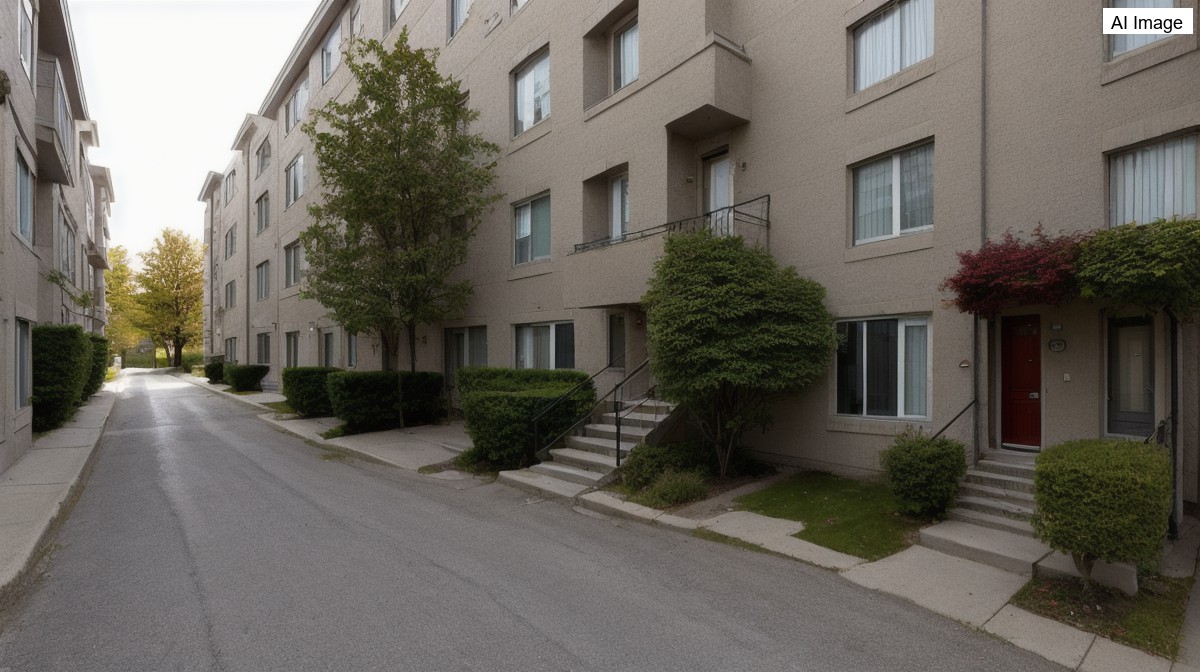
As Quebec's annual moving day approaches, Montreal landlords say that finding a rental unit has become far easier than it used to be, with many apartments now sitting on the market. At the same time, a recent investigation has found that thousands of homes across the city are simply standing empty, fuelling a debate over why so many units remain unoccupied in a city where many tenants still struggle to find a place they can afford.
One building manager, identified as Dueck, said his apartments never used to stay empty for long, but now they can linger on the market for months before he finds a renter. When the end of April arrived, he was left with quite a few vacant apartments, which pushed him to furnish some of them, adding items like a sofa, cutlery, beds and even linens to attract tenants. Other landlords, he said, have gone as far as offering months of free rent.
The scale of the vacancies is striking. According to a recent Radio-Canada investigation based on an analysis of electricity use, the island of Montreal alone has nearly 25,000 vacant dwellings. The finding has sharpened questions about whether the empty units are a simple market imbalance or the product of deliberate choices by some property owners.
A tenants' rights group argues that high rents are a big part of the problem, saying it is difficult for many tenants to find an apartment because a person now needs a very high income to afford the prices on offer. The same group believes that some investors intentionally leave units empty until they can sell them later at a profit, pointing to housing that it says is being built and held purely to increase the value of an investment.
Landlords push back on that characterization. The Quebec Landlords Association believes that owners engaging in market speculation are the exception rather than the rule. It says provincial regulations that limit rent increases make landlords hesitant to lock in a lower rent that might be hard to raise again later, and one landlord said he has to keep prices high enough to keep the building's value up so he can maintain and mortgage it for future work such as the roof and windows.
For now, prices are not coming down by much. According to the latest figures from Statistics Canada, the average asking price for a two-bedroom apartment in Montreal is about 1,900 dollars a month, which is down from a year earlier, but only slightly. That stubbornness has kept pressure on both renters searching for affordable homes and on officials looking for ways to ease the market.
In response, the mayor is exploring the option of introducing a tax on vacant dwellings, with the aim of discouraging property speculation and encouraging lower prices. The housing-rights group FRAPRU is also pushing for continued investment in social housing and argues that revenue from a new tax could help fund those units. Dueck, however, cautioned that unless the cost of insurance, property taxes and maintenance comes down, rental prices are unlikely to fall either.