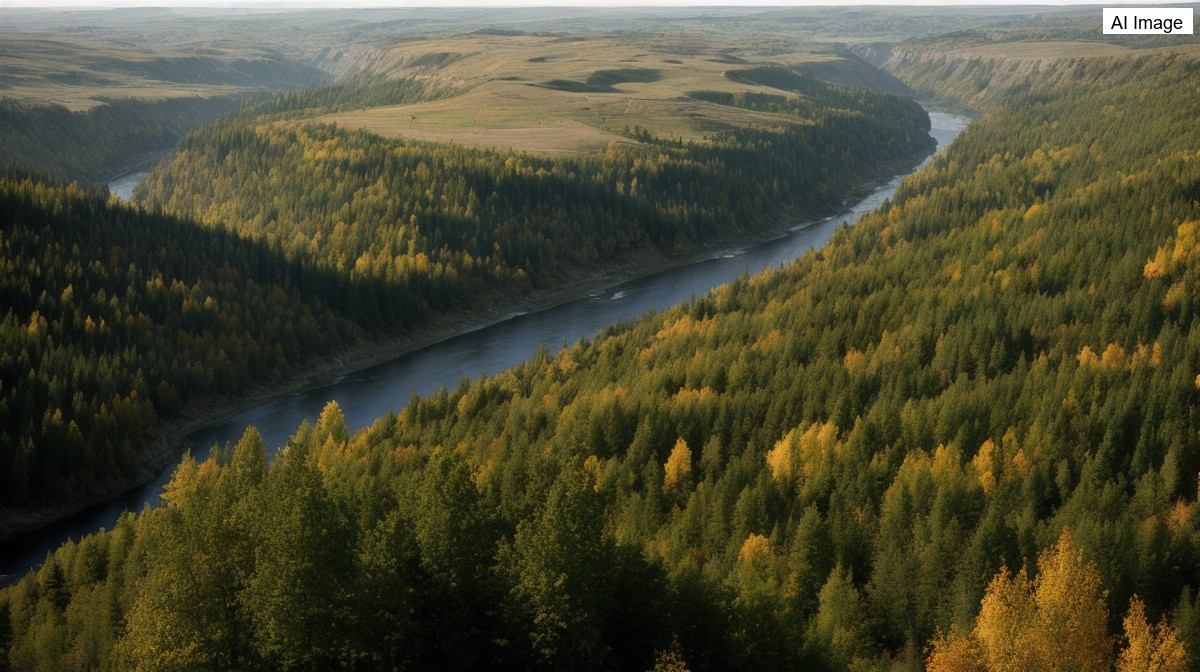
A fast-moving wildfire in British Columbia's Fraser Canyon has forced the evacuation of three communities and put a fourth on alert, officials said, as crews scrambled to keep pace with a blaze that has become one of hundreds burning across the country. About 500 people live in the affected areas, and authorities warned that the danger was far from over as flames continued to spread through the rugged canyon terrain.
Emergency officials described the situation as extremely fluid, urging residents to stay closely tuned to their local authorities. They asked people to follow evacuation alerts and orders without delay and to be ready to leave at a moment's notice if they found themselves in the vicinity of any active incident. It is a very dynamic and changing situation, one official cautioned, stressing that conditions could shift quickly.
Among those forced from their homes were roughly 100 residents of the Boothroyd First Nation, who were taken to a reception centre in the town of Hope. For many, the sudden displacement brought exhaustion and heartbreak. One evacuee, worn down by the ordeal, said she was devastated and simply wanted to rest, adding that all she could do was pray and hope for rain to finally bring the flames under control.
The Fraser Canyon fire is only one front in a punishing wildfire season now stretching from coast to coast. More than 800 fires were burning across Canada, officials said, with the vast majority listed as out of control. The scale of the crisis has stretched firefighting resources thin and forced provinces to lean on one another for reinforcements as new blazes flared up faster than crews could contain them.
The strain was especially visible in Quebec, where about 100 firefighters from British Columbia, New Brunswick and Prince Edward Island had arrived to help beat back fires that had already scorched more than 300,000 hectares. Roads and hydroelectric power stations in the affected zones were reported to be under threat, underscoring how the fires were beginning to disrupt critical infrastructure well beyond the immediate evacuation areas.
Fire behaviour specialists said the season so far amounted to a roughly average start, but they warned that the coming weeks could turn far more dangerous. Hot, dry and windy conditions are the combination that worries them most, one wildfire expert explained, pointing to the heat domes and high-pressure systems now settling in as a familiar precursor to extreme fire danger and a heightened risk of new ignitions.
With those conditions building, experts urged homeowners to use the moment to prepare their properties before the peak of the season arrives. That work can be as simple as clearing flammable debris such as dead leaves and pine needles from roofs, gutters and yards, small steps that can make a meaningful difference in whether a house survives an approaching fire. For the families now sheltering in Hope, however, the immediate hope was more elemental: that rain would come and the fire would be brought to heel.