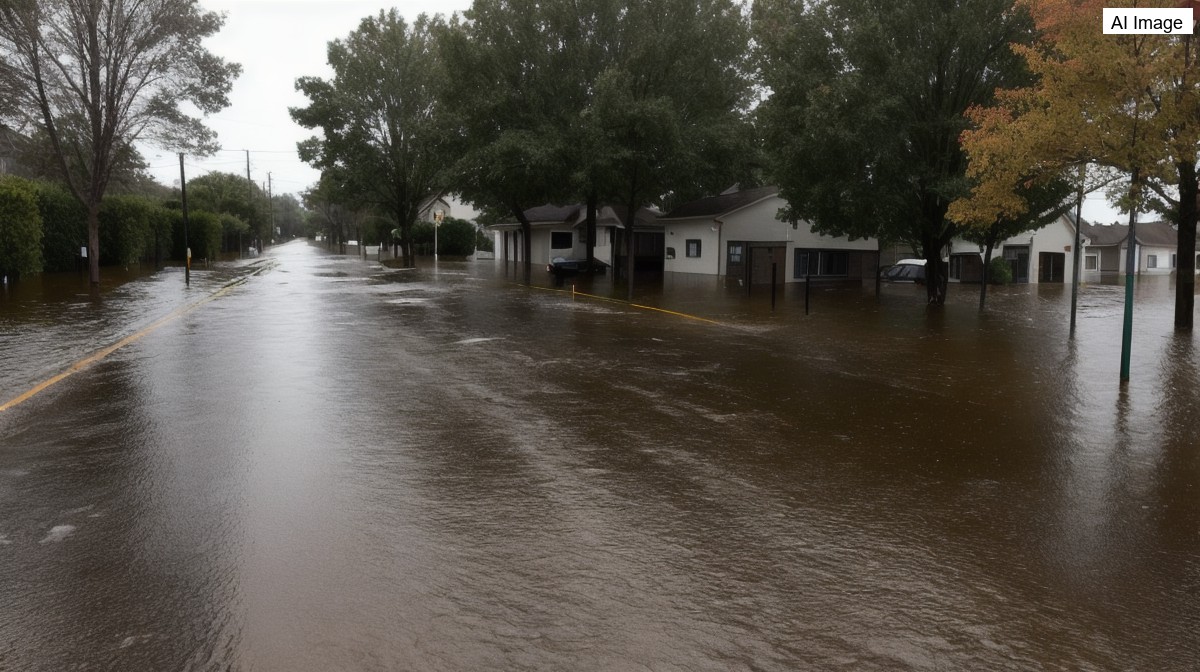
A record-shattering rainstorm swamped Ottawa on Canada Day, dumping enough water in a matter of hours to flood roads and thousands of basements and to wash out the capital's birthday celebrations. What was supposed to be a day of parades, concerts and fireworks turned instead into a frantic effort to bail out homes, close flooded streets and keep people safe. By nightfall the storm had become the dominant story of the holiday, overshadowing the festivities it had forced organisers to abandon. City officials described a deluge that overwhelmed drainage systems and caught many residents off guard.
The raw numbers underscored just how extreme the storm was. A total of 118 millimetres of rain fell on the city, obliterating the previous record for the most rain ever recorded in Ottawa on 1 July, which had stood at 58.9 millimetres at the airport since 1959. In other words, more than twice the previous single-day July record came down in one afternoon and evening. For a capital used to summer thunderstorms, the sheer volume of water was without recent precedent.
It was homes that bore much of the damage. Mayor Mark Sutcliffe said more than 1,900 people had already called the city's 3-1-1 line to report that their basements had flooded, and he warned that the tally was almost certain to climb in the days ahead. The volume of calls was so heavy that agents struggled to keep pace, meaning the true number of flooded homes was likely higher than the figures suggested at the time. Residents across several neighbourhoods spent the evening hauling out soaked belongings and pumping water from their basements.
Sutcliffe placed the storm among the most damaging Ottawa has seen in a generation. He described the record-breaking rainfall as one of the worst storms to hit the city in the past 25 years, a comparison that captured both the scale of the flooding and the strain it put on emergency services. Residential neighbourhoods and major arteries alike disappeared under water as the system stalled over the region. For many residents, it was the heaviest rain they could remember falling on the city in a single day.
The trouble arrived quickly once the rain began. Thunderstorms moved through the national capital region between roughly 1 p.m. and 2 p.m. on Wednesday, and within hours they had overwhelmed storm drains and turned streets into fast-moving channels of water. Flooding was reported on residential roads and on Highways 416 and 417, with several routes temporarily closed through the afternoon and into the evening as drivers were forced to turn back. The combination of closed highways and submerged side streets left parts of the city difficult to navigate at the height of the storm.
The celebrations themselves became one of the storm's casualties. The federal government cancelled the evening show portion of the national Canada Day ceremony at LeBreton Flats Park, including the fireworks display, judging that the extreme weather made large outdoor gatherings unsafe. Events that had been planned for months were called off within hours as organisers weighed the risk to crowds. For a city that anchors the country's national Canada Day celebrations, the cancellation was a stinging end to the holiday.
By the day after the storm, the focus had shifted to a slow and difficult cleanup. Hydro Ottawa said thousands of customers remained without power and warned that the flooding itself was hampering its restoration efforts, cautioning residents that electricity might not come back as quickly as they hoped. The utility said one of its largest circuits, serving more than a thousand customers, could not be re-energised until floodwaters receded or were pumped out, because water and electrical equipment made for a potentially fatal combination. In neighbourhoods such as Crystal Beach, residents hauled sodden belongings out of basements, while an emergency shelter for women on Carling Avenue was left counting the loss of beds, mattresses and irreplaceable personal items.
The downpour capped a stretch of punishing weather across the region, where a heat wave had already been building before the skies opened. With cleanup only just beginning, residents faced the prospect of days of drying out, assessing damage and filing claims. Officials urged people to report flooding and to be cautious around washed-out roads and standing water. For Ottawa, the holiday ended not with fireworks over the Ottawa River but with wet basements, closed highways and the start of a long recovery.