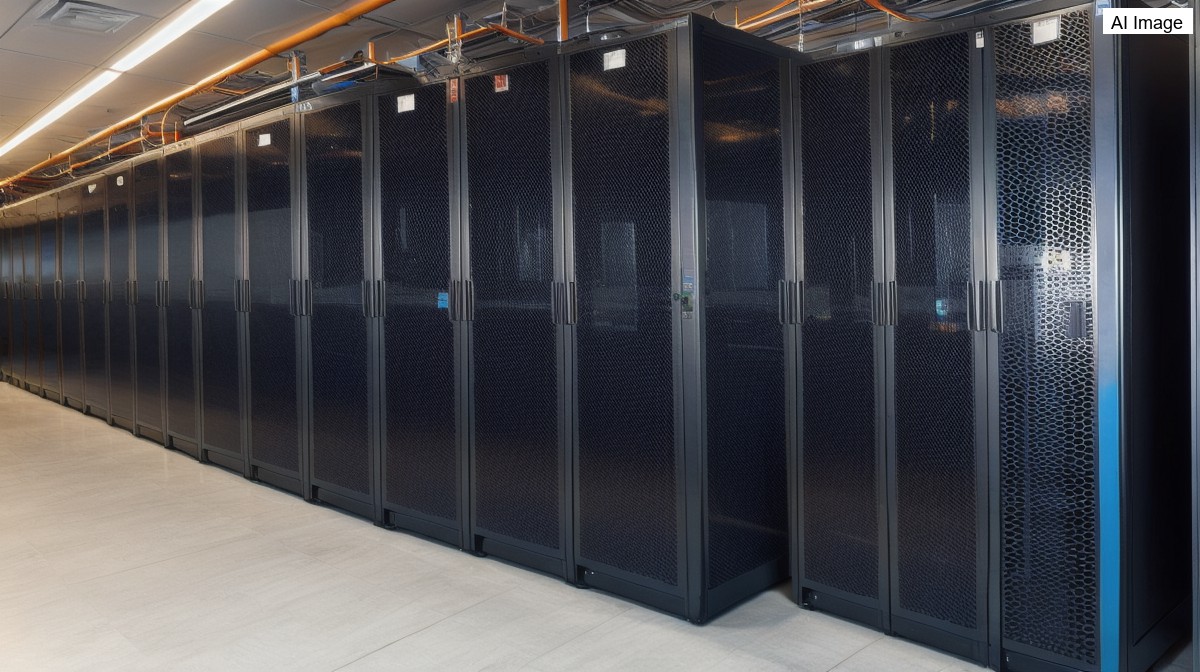
The environmental footprint of the data centers that power artificial intelligence now rivals that of some of the largest countries in the world, according to a new report from the United Nations. The findings put hard numbers on the energy, carbon and water costs hidden behind the everyday AI tools that millions of people now use without a second thought.
Last year, the report says, global data centers used 448 trillion watt-hours of electricity. That figure is so large that it exceeds the annual electricity use of every country on Earth except for the top 10, underscoring just how power-hungry the infrastructure behind AI has quietly become as the technology spreads into more and more sectors.
That electricity came at a climate cost. Producing it generated about 208 million tons of carbon dioxide, an amount the report compares directly to the total emissions of Argentina. In other words, simply keeping the world's data centers running released roughly as much CO2 in a year as an entire mid-sized nation.
The strain is not limited to power and emissions. Generating all of that energy consumed about 4.5 trillion liters of water, a reminder that the cooling systems and electricity behind AI draw heavily on a resource that many regions can ill afford to lose. It is a side of the technology that rarely appears in conversations about chatbots and apps.
Even these figures, the report warns, are only the tip of the iceberg, because they capture just the environmental impacts caused by AI's energy use. One of the report's authors said most people do not understand or appreciate the vast physical infrastructure behind AI, from sprawling material supply chains to the energy systems that must run constantly for tools like chatbots to work.
The message is not that the technology is inherently harmful. AI is not bad, the author stressed, pointing to the benefits and improvements it brings across many sectors and to daily life. The real question, in this telling, is how the world chooses to manage AI and the rapid growth of the data centers that make those everyday tools possible.
That growth, the report cautions, carries real consequences. Building data centers can create jobs and boost the economy, but at some point, the author warned, you simply run out of water. The looming question is whether energy and water are being taken away from other needs, and whether supply can realistically keep pace with the relentless demand.