A rancid fish sauce that has plagued a Newfoundland town for decades is finally being removed, bringing relief to residents who have lived with an unbearable stench for years. In the town of St. Mary's, crews have begun hauling away a putrid sludge that had become a defining, and deeply unwelcome, feature of daily life.
The material at the center of the cleanup is capelin and salt, fermented and left sitting in vats for 20 years. Over that time, the mixture turned into a rotting mass whose smell tormented the people of St. Mary's, so much so that the community's frustration became inseparable from the abandoned plant that held it.
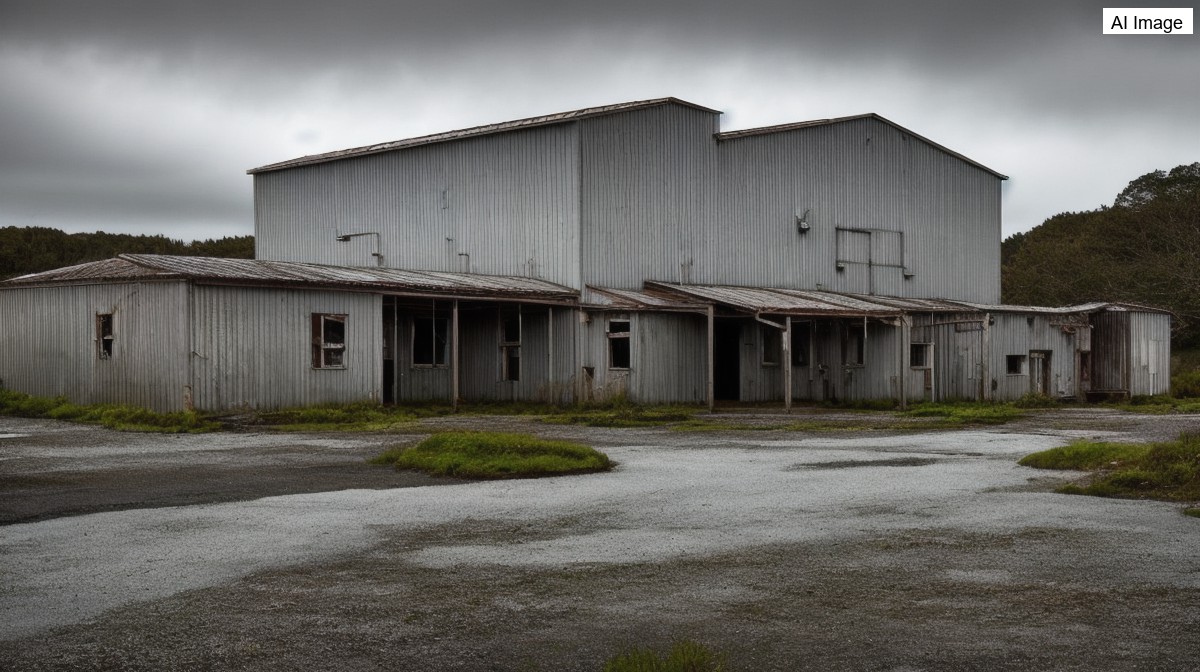
The site traces back to the Atlantic Seafood Sauce Company, which first opened in 1990 with the promise of economic prosperity for the town. That promise gave way to legal and regulatory battles, and the owner ultimately left the site abandoned, leaving behind the vats of fermenting fish and the odor that would linger for decades.
Over the years, the abandoned plant raised health and environmental concerns, and residents waged a long fight to get it cleaned up. The persistence of the problem became a local rallying point, with one official even earning the nickname the sauce plant mayor for the role the site played in the town's identity and grievances.
The province has now agreed to foot the bill for the removal, a decision residents greeted with pride and relief as they watched the sludge begin to leave their community. Still, officials cautioned that the smell could get worse before it gets better, as the process vacuums out the roughly one million litres of fermenting fish that has been baking in the sun for decades.
The cleanup itself is an involved operation. Crews are adding peat to the liquid to help solidify it before trucking it to a nearby town, where it will be stored underground in vacuum-sealed, pool-like landfills. Officials estimate it will take some 200 truckloads to remove all of it, with the work expected to stretch until October.
For a town that has long defined part of its recent history by the abandoned plant and its odor, the removal marks a turning point. As the vats are emptied, residents of St. Mary's are finally able to imagine reclaiming their town from the fish sauce, closing a chapter that had dragged on far longer than anyone intended when the plant first opened with hopes of prosperity.