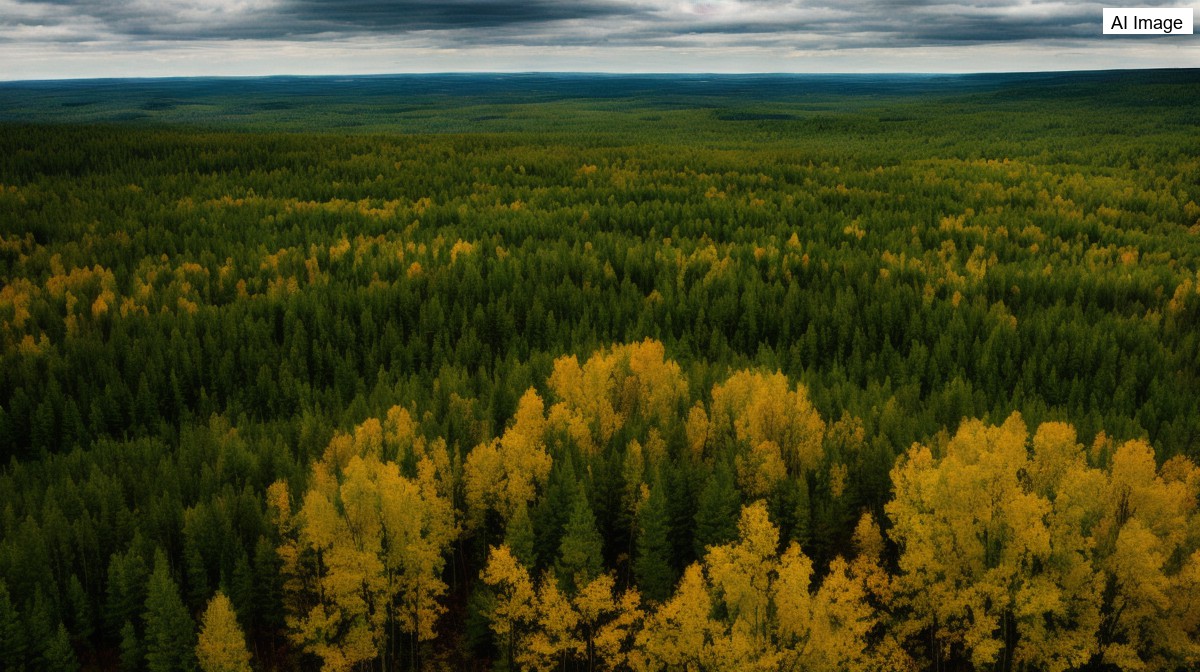
The Canadian federal government has cancelled its flagship 2 billion trees program, redirecting funds toward defence and infrastructure spending at a time when the country faces what is expected to be another above-average wildfire season. The decision has left Indigenous planting crews and environmental organizations questioning Ottawa's commitment to forest restoration.
In Manitoba's Interlake region, approximately 300 kilometres northwest of Winnipeg, Indigenous crews have been working for three consecutive summers to replant areas devastated by an out-of-control wildfire in 2021. Marley Moose, one of the planters, described the landscape she works in as entirely burnt, saying they are giving life back to dead areas with every tree that goes into the ground.
Farron Sharp has been coordinating with a group of seven Swampy Cree First Nations to plant 20 million trees by 2030. However, with the federal program now cancelled, existing contracts are expected to fill just half of the original goal. The cancellation threatens to undermine years of community-driven restoration efforts on traditional Indigenous lands.
The scale of the reforestation challenge is staggering. Industry groups estimate that Canada would need more than seven billion seedlings to replace just 15 percent of the forest destroyed by wildfires since 2023. Experts warn that repetitive wildfires have destroyed seed sources, meaning some mega fires are now preventing the natural regeneration that forests would normally undergo.
This summer is expected to be one of the hottest on record in Canada, and forests are already burning across multiple provinces. The timing of the program cancellation has drawn sharp criticism from environmental advocates who argue that investing in reforestation is both a climate adaptation measure and an economic opportunity for remote Indigenous communities.
For the planters on the ground, each tree represents more than carbon sequestration. As one crew member put it, every tree that goes into the ground is like a gift back to Mother Earth. The connection between reforestation and Indigenous stewardship of the land adds a cultural dimension to what might otherwise be viewed as a purely environmental issue.
The federal government's pivot from climate spending to defence reflects shifting political priorities amid global geopolitical tensions. Critics argue, however, that the two goals need not be mutually exclusive, and that a country with the world's largest boreal forest area cannot afford to neglect reforestation while wildfires continue to intensify with each passing year.