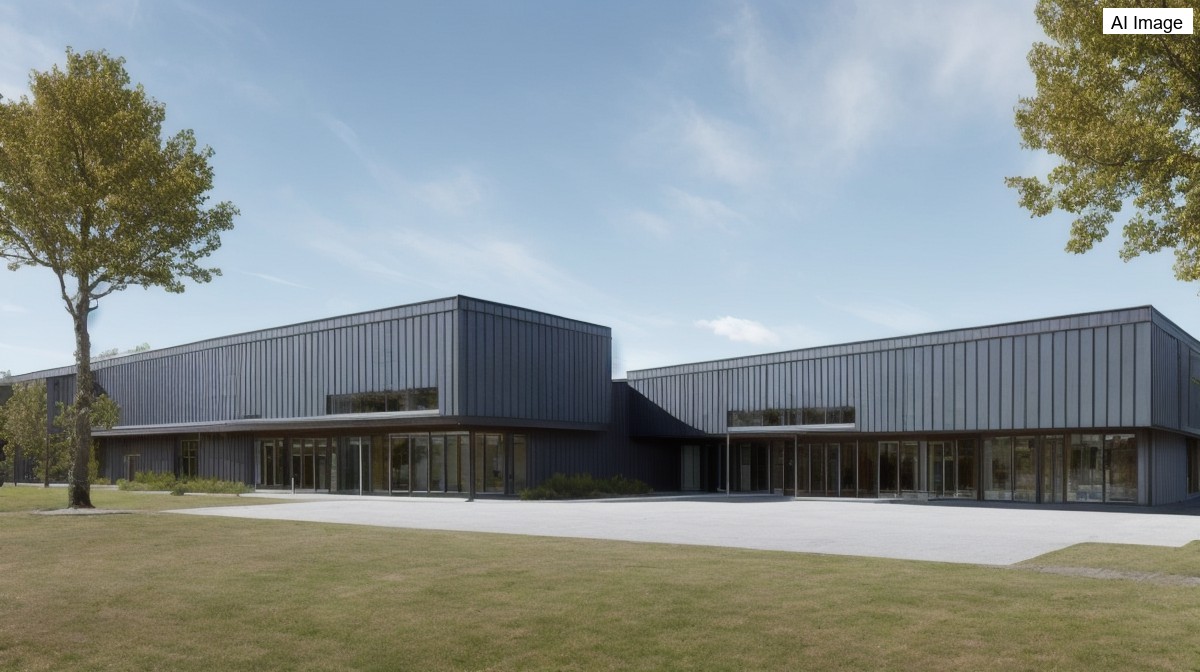
For the first time, Canada is set to have an Inuit-led university, and it is coming to the Arctic. The new institution, Inuit Nunangat University, will be built in Arviat, a community on the shore of Hudson Bay, and it is being described as a potential game changer for Inuit across the North. Unlike the schools Inuit students have long had to leave home to attend, this one is meant to be rooted in the place many of them call home.
The vision behind it is one of self-determination. Natan Obed, president of Inuit Tapiriit Kanatami, the national organization representing Inuit in Canada, said the goal is to take back the centrality of Inuit society. His organization has been calling for an Inuit Nunangat University for decades, arguing that Inuit have not had the same opportunity to build equity within the country.
For generations, he said, education had been largely a one-way street, with Inuit having to conform to southern-based education standards. The new university is intended to reverse that dynamic. Its foundation is based on Inuit perspectives, and its courses are being designed by Inuit rather than adapted from institutions in the south.
That approach is reflected in what students will be able to study. The university plans to offer degrees in areas that speak directly to life and priorities in the North, including Arctic sovereignty, the Inuktitut language and Inuit midwifery, subjects that tie academic study to the culture and needs of the communities it serves.
The reach of the project is broad. About 70,000 Inuit live in the four regions that make up Inuit Nunangat, the homeland of Inuit in Canada, and in four years those students will have the option to pursue a university degree at the new campus in Arviat rather than relocating thousands of kilometres away to study.
The need behind the effort is reflected in the numbers. Nearly 34 per cent of Inuit had completed a post-secondary certificate, degree or diploma in 2021, according to Statistics Canada, roughly half the rate of nearly 68 per cent recorded among non-Indigenous Canadians. Supporters hope the university can help close that gap, with its first cohort of students scheduled to be welcomed in 2030 and more than 8.5 hectares of land set aside in Arviat for the main campus, student residences and future planning.
Landing the campus was the result of a determined local effort. Arviat Mayor Joe Savikataaq Jr. lobbied hard for the community to win the bid to host the university's main campus, and residents there are looking ahead to the day the doors open, hoping people will find jobs and benefit from the activity the school is expected to bring.
That prospect also comes with unease. The community is expected to grow by about 500 people, counting students, their families and university staff, and some residents raised questions at an information session about how such rapid change might reshape the town, worrying that ties among neighbours and fellow Inuit could be watered down as more people arrive.
For some Inuit students, the university cannot come soon enough. Leslie Fredlant, who is finishing her fourth year at NSCAD University in Halifax, far from her home in Rankin Inlet, Nunavut, moved more than 2,700 kilometres with her children to study art. She described experiencing racism and microaggressions along the way, and said that at times, missing her people, she felt like quitting altogether.