At a hospital in the rural community of Rampara, one of the areas hardest hit by the current Ebola outbreak, the strain on the system is plain to see. According to a City News report from the site, the hospital is currently holding 17 suspected Ebola patients and is rapidly running out of the capacity it needs to keep treating them safely.
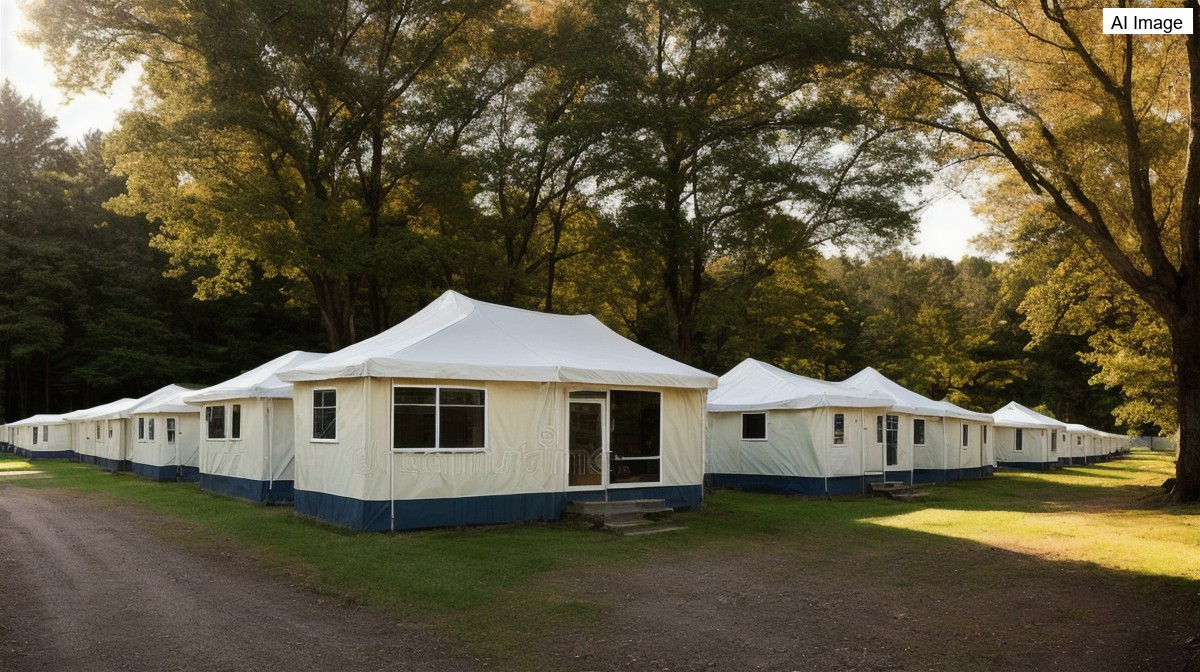
Just outside the building, the response is taking shape in real time. People from the surrounding community, working alongside the medical aid organisation Alima, were filmed furiously erecting a set of dedicated Ebola treatment centres, turning an open patch of ground next to the hospital into an active construction site.
A doctor from Alima told City News the team hopes the new facilities will be finished within the next two to three days. That timeline, the report noted, would be a genuine turning point for the rural hospital, because the additional structures are expected to give it the capacity to receive another 34 Ebola patients.
The design of the centres reflects hard lessons learned from earlier Ebola outbreaks. Each room is built with a tap positioned just outside it, so that anyone entering or leaving can wash their hands constantly, a small detail that has become central to keeping the virus from spreading further inside the facility.
Inside, the layout is built around isolation. Every room has its own bed, and crucially each patient is given their own toilet, limiting the shared surfaces and contact points that can turn a treatment ward into a place where infection passes from one person to the next.
The most striking feature, the reporter explained, is a wall of transparent glass. A protective covering peels away to reveal the clear panel, which allows doctors to get up close and observe patients without endangering themselves. From the doctor's side, the entrance opens onto a clear view straight through to the patients being treated.
What stood out most, the City News report said, was the mood among the people doing the work. Despite living in a community that has been ravaged by the virus, the local residents building and contributing to the centres were taking visible pride in protecting their own. Even against a backdrop of so much misery, they had been singing, laughing and joking, something the reporter described as wonderful to see.