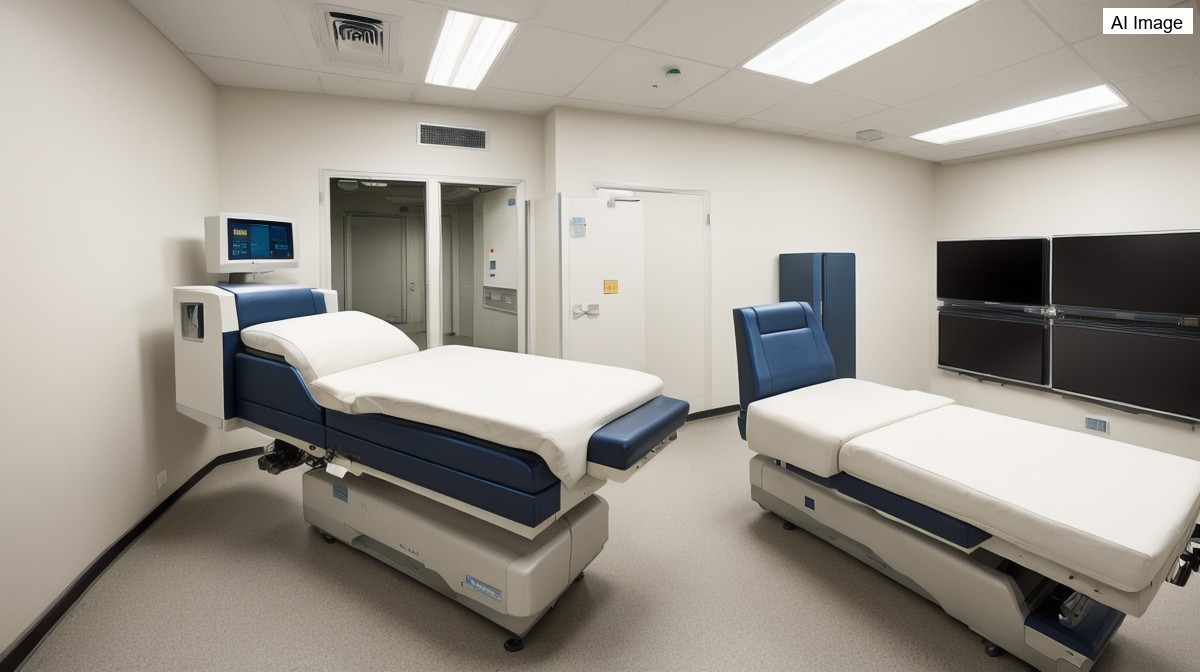
Alberta is set to become the first province in Canada to let residents pay out of pocket for medical scans without a doctor's referral, a change that is already dividing the province's health care community. Starting Friday, Albertans will be allowed to pay directly for imaging such as MRIs and x-rays, bypassing the referral that has traditionally been required to access those tests.
The policy marks a significant departure from how diagnostic imaging is typically handled in Canada's public system, where scans are ordered by a physician and covered through public health care. By opening the door to out-of-pocket payment without a referral, Alberta is testing a new model that no other province has adopted.
The province's premier has framed the move as a step toward what has been described as proactive health care. Early detection means better outcomes and healthier people, the premier said, adding that the change means more confidence and timelier answers for Albertans and their families when it matters most, casting the policy as a benefit for patients seeking faster access to tests.
That optimistic framing, however, is not widely shared within the medical community. Most medical experts disagree with the approach, saying the policy lacks evidence and offers little to no benefit for patients. Their skepticism sets up a clash between the government's messaging and the assessment of many of the professionals who would order and interpret the scans.
Among the central concerns is the risk to the broader system. Critics warn that the policy risks overloading public care, arguing that allowing people to pay for scans without a referral could drive up demand and make existing backlogs even worse rather than easing them. That worry goes to the heart of the debate over whether the change will help or hinder access.
As the Friday start date approaches, the divide between the government and much of the medical profession leaves Albertans to weigh the promise of quicker answers against the warnings about strain on the public system. With Alberta acting as the first province to make the move, the outcome is likely to be watched closely across the country as a test of the model.