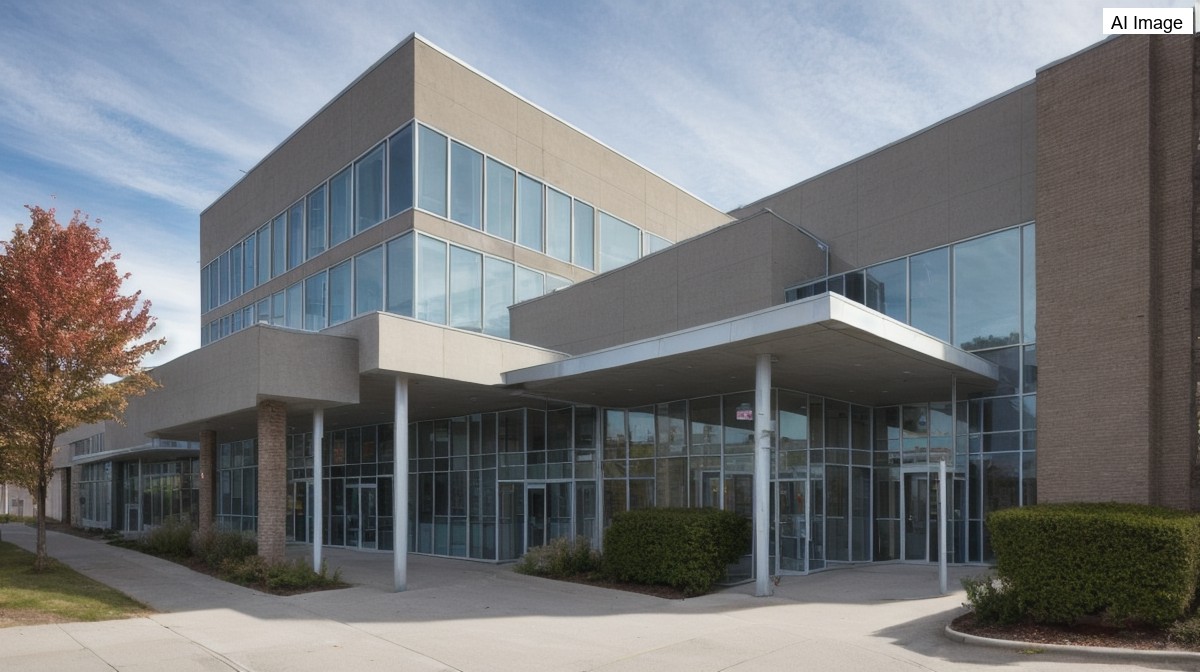
Calgary's supervised consumption site at the Sheldon M. Chumir Health Centre has been permanently closed, as the Alberta government pushes ahead with a shift toward a recovery-centred approach to addiction. The closure marks the end of a facility that had operated in the city for about eight and a half years.
Under the provincial plan, the space that housed the supervised consumption service is to be converted into a rapid-access addiction medicine site. The province has framed the change as part of a broader move away from supervised consumption and toward services centred on treatment and recovery.
The decision has drawn a cautious response from city leaders. The mayor said she was cautiously encouraged by the direction, but stressed that more support from the province would be needed to make the new approach work and to ensure vulnerable people are not left behind.
A central concern raised in the wake of the closure is that the people who used the site are not simply going to disappear. Advocates and officials have warned that without adequate services in place, the underlying need will remain, and some fear the recovery-focused plan on its own may not be sufficient to meet it.
There are also worries about what the change could mean at street level, including the possibility of drug use and related activity shifting into surrounding areas. That has put a spotlight on how the city and province will coordinate to manage the transition in the months ahead.
In response to rising demand on emergency services, city council has been urged to consider adding mobile response units to the Calgary Fire Department, which has been dealing with an increase in overdose-related calls. Supporters argue such units could help the city respond more flexibly as the addiction response model changes.
The closure of the Sheldon Chumir site places Calgary at the centre of a wider debate over how best to respond to addiction and overdoses. As the province leans into its recovery model, attention will now turn to whether the new services can fill the gap left behind and reach the people who relied on the supervised consumption site.