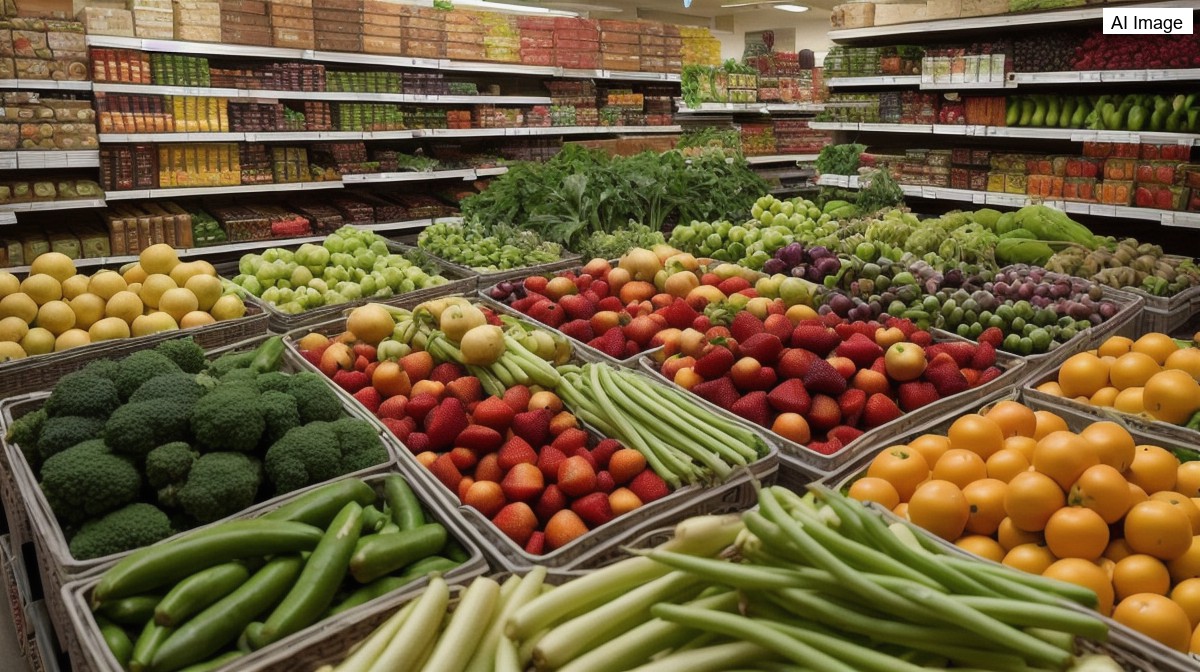
The Canadian government has set out a new plan to strengthen the country's food supply, backed by a significant amount of money. Ottawa announced more than 3 billion dollars in spending to address mounting concerns over food, unveiling what it calls a National Food Security Strategy. The move comes as households feel the strain of rising grocery costs, with some shoppers saying their bills have effectively doubled and that they now have to pick and choose carefully what they buy.
Officials framed the strategy in unusually broad terms, tying it to national security itself. The argument put forward was that the country's sovereignty depends on its ability to feed, to fuel and to defend itself. In that view, the way a country sources its food is not just an economic matter but a question of how secure and self-reliant it can be.
Behind the strategy is a concern about dependence. According to the government, an over-reliance has left Canada vulnerable to global shocks, including conflicts, droughts and tariffs. Each of those can disrupt the flow of food or push up prices, and the new strategy is presented explicitly as an attempt to change that exposure rather than simply react to it.
The plan is organised around four pillars. The first is increasing competition, by making it easier for independent grocers to compete in a market where shoppers have complained about limited choice. The aim is to give smaller players a better chance against the larger chains that dominate Canadian grocery retail.
The second and third pillars focus on growing and processing more food at home. One seeks to boost the amount of Canadian food that is processed where it is grown, keeping more of the supply chain within the country. The other involves investing to expand the amount of food that can be grown year-round in Canada, reducing the reliance on seasonal or imported supply.
The fourth pillar is aimed at the rules themselves. The government says it wants to cut red tape to make it easier to get more food onto Canadian shelves. Taken together, the four pillars are pitched as a way to make the food system both more competitive and more resilient, from the field through to the supermarket.
Not everyone is convinced the strategy goes far enough. Some industry watchers described the changes as needed for a food system under pressure, but cautioned that they may not be sufficient. One concern raised was that the kinds of solutions being discussed are largely medium to long-term fixes, meaning Canadians struggling with high prices now may not feel relief quickly, even if the strategy delivers over time.