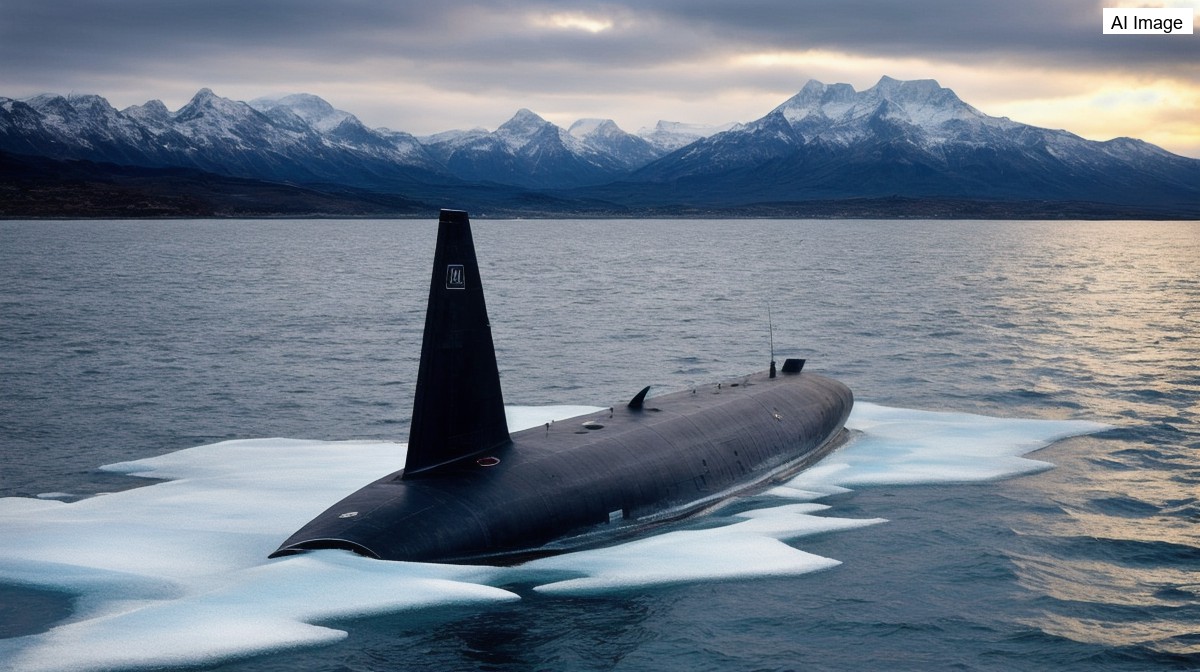
South Korea and Germany are locked in an increasingly intense competition to win what could be one of the most significant defence contracts in Canadian history. Both nations are vying to supply the Royal Canadian Navy with its next fleet of submarines, deploying starkly different marketing and diplomatic strategies.
Korean firm Hanwha has launched an aggressive outreach campaign targeting both Canadian officials and the general public. In a notable move, the company enlisted former CBC anchor Peter Mansbridge to voice its promotional advertisements, warming Canadians up to the idea of a new partnership with an Asian defence manufacturer.
The Korean chief of naval operations, Admiral Kim Kyung-Rol, invited CBC journalists aboard a Korean frigate for his first ever interview in English. He expressed confidence that the Korean submarine is the best solution for the Royal Canadian Navy, which needs a vessel capable of operating from the Pacific to the Arctic and Atlantic.
In contrast, the German bid in partnership with Norway has adopted a more low-key approach. Manufacturer TKMS is offering the HDW Class 212 CD, an updated version of a submarine already in service with NATO navies. Rather than sailing vessels across oceans for publicity tours, Germany has focused on behind-the-scenes lobbying.
Germany's Defence Minister Boris Pistorius has personally visited Canada multiple times to advocate for the bid. In a significant commitment, both Germany and Norway have offered to delay their own submarine production programmes in order to prioritise building Canadian boats first, with four submarines ready by two thousand and thirty-six.
Korea's Minister of Defence Acquisition Lee Yong-chul acknowledged that public opinion plays a significant role in influencing politicians and decision-makers. This frank admission explains the Korean strategy of targeting the Canadian public through media campaigns alongside traditional diplomatic channels.
The submarine decision carries strategic implications that extend far beyond procurement. Canada's choice will signal the direction of its defence partnerships for decades to come, determining whether it deepens ties with an established European NATO ally or builds a new relationship with an increasingly capable Asian defence industry.