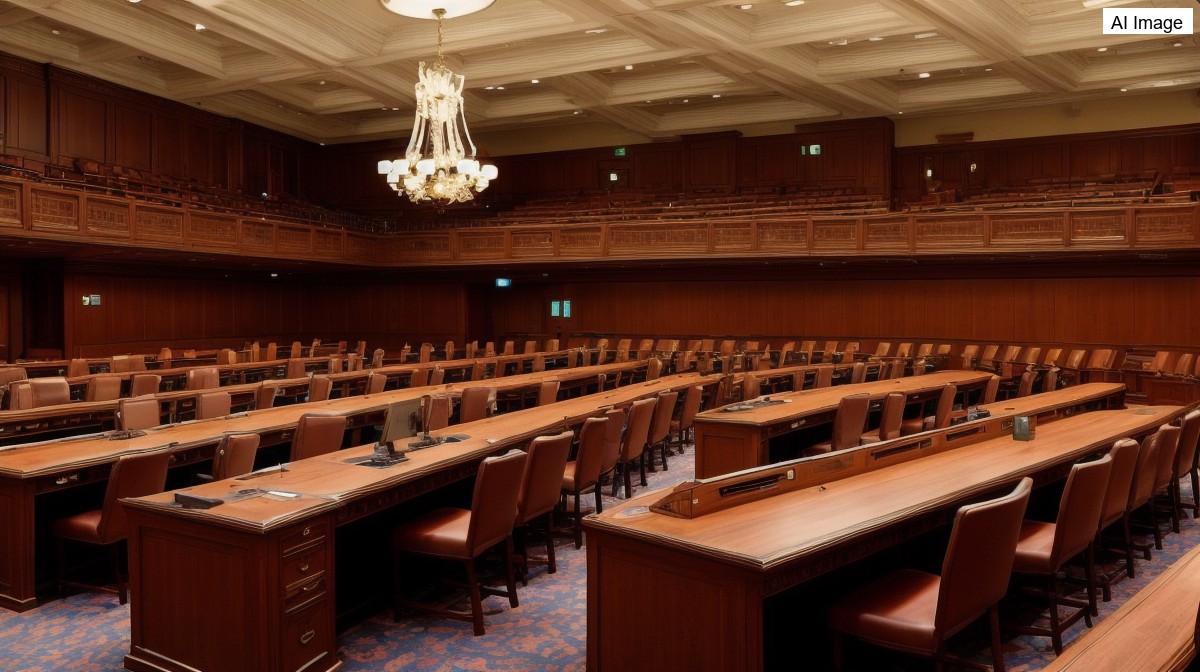
Bolivia's Congress has passed new laws this weekend that give the president a clearer legal framework to deploy the armed forces against the wave of unrest gripping the country. The measures are aimed directly at the weeks-long protests and road blockades that have disrupted daily life. They represent a notable hardening of the state's response to a crisis that has dragged on for more than a month.
What stood out about the vote was the breadth of support behind it. The legislation was backed by both sides in the chambers, a rare moment of agreement across the political divide in a country that has been deeply polarized by the turmoil. That cross-party backing signalled how seriously lawmakers are treating the situation on the streets.
The session was also marked by mourning. A minute of silence was held in the chambers for the nine people who have been killed amid the ongoing demonstrations. The tribute underscored the human cost of the crisis, even as legislators moved to give the government tougher tools to bring it under control.
The roots of the conflict stretch back several weeks. It began in May when workers went on strike, a labour action that quickly grew into something far larger. Over time the strike escalated into full road blockades of the largest cities in the South American nation, choking off movement and trade.
At the heart of the demonstrations are economic grievances. Protesters are demanding that the government roll back austerity measures, which they blame for deepening hardship. They are also calling on the authorities to address the rising cost of living that has squeezed households across the country.
Taken together, the picture is of a government reaching for stronger powers as the unrest persists. With nine people already dead and the largest cities still affected by blockades, the new legal framework clears the way for a more forceful state response. How that authority is used in the days ahead will shape the next phase of the crisis.