The Canadian government has introduced legislation aimed at giving border officers greater powers to seize shipments of goods made with forced labour. According to the government, the measure has been in the works for years and is intended to strengthen the country's ability to keep tainted products out of its market and off its store shelves.
The timing of the bill has drawn attention, however, as it comes just days after the administration of Donald Trump proposed tariffs of at least 10 percent on dozens of countries. The proximity of the two developments has raised questions about whether external pressure played a role in pushing Ottawa to act now.
In presenting the legislation, the government openly acknowledged that its record over the past five years has fallen short. Officials conceded that during that period Canada has not turned away enough shipments suspected of being linked to forced labour, despite having the legal tools to do so on paper.
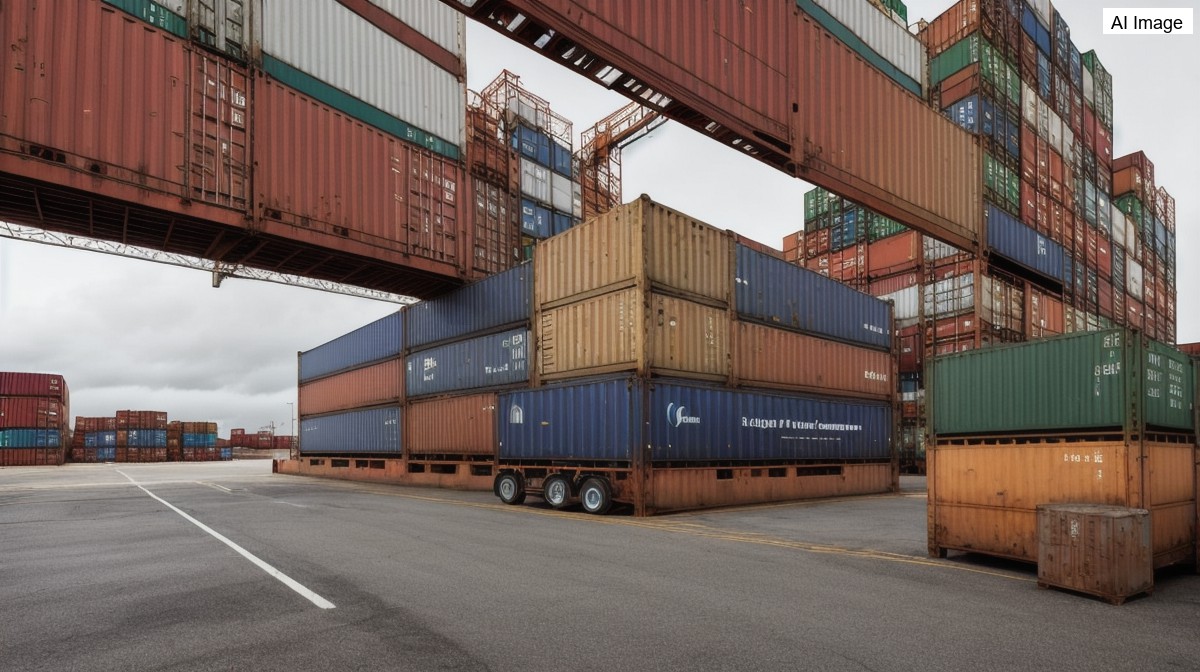
The scale of that enforcement gap is striking. According to the figures cited, only around 50 containers have actually been examined, and of those just two were found to contain goods made with forced labour. The low numbers underline how rarely the existing rules have been applied in practice.
Government representatives framed the issue as a serious one that demands stronger action. They argued that while Canada has a robust legal framework and clear responsibilities, it has been far less effective at fully enforcing them, and stressed the need to empower the Canada Border Services Agency to seize more shipments and clean up the market.
The opposition was quick to criticise the move as overdue. Conservatives argued that the government should have acted long ago, accusing it of doing nothing for the past five and a half years even as members of Parliament raised concerns on multiple occasions, and suggesting that action only came after the issue was pushed by Washington.
For its part, the government denied that the American tariffs were what drove Canada to act, presenting the legislation instead as a deliberate policy choice. Officials said the change was meant to send a message to the United States and to other countries that Canada is taking the problem of forced-labour imports seriously.