Cultivated meat could be the future of food and the technology is moving rapidly toward commercial reality. California-based Upside Foods has grown the equivalent of 100,000 chickens from a single egg over the past eight years, demonstrating the enormous potential of this revolutionary approach to protein production.
The process works by taking cells from a cow, chicken or pig and growing them directly outside the animal. These cells rely on their own genetic programming to take shape, naturally binding together and dividing to build structured muscle tissue, exactly as they would inside a living animal.
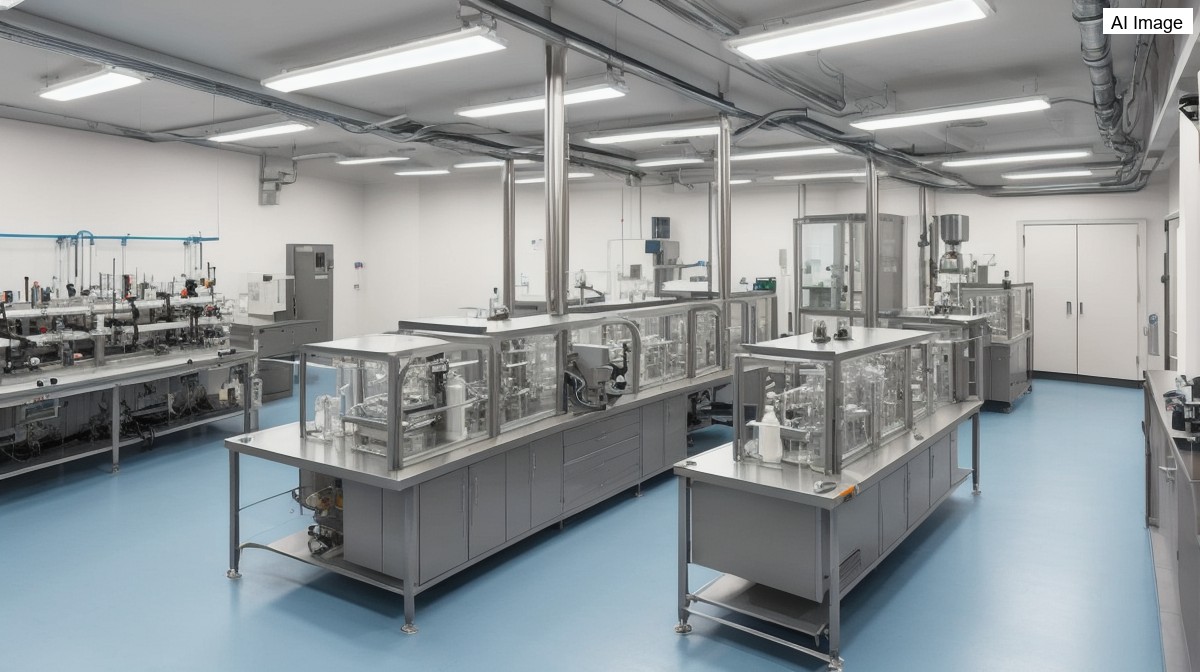
The cells grow inside giant brewery-style vats, doubling every 24 hours, fed by a broth of amino acids, vitamins and sugars. The resulting product is nutrient-wise and taste-wise identical to traditional meat, but entirely free of growth hormones and antibiotics.
The technology addresses multiple global challenges simultaneously. By 2050, global population will hit nearly 10 billion people, pushing meat demand up by 70 percent. The world simply does not have the land or water needed to raise that many animals conventionally.
The climate benefits are equally significant. Conventional beef production takes up to two years of resources before slaughter. Cultivated meat takes just two to three weeks, cutting out livestock methane emissions and the slaughter process altogether.
There are also major biosecurity advantages. Cultivated meat uses incredibly lower amounts of resources and eliminates the risk of entire herds being wiped out by pandemics such as swine flu or avian flu, which have devastated conventional livestock operations around the world.
Upside Foods is targeting one percent of the total US meat market by 2030, while Singapore aims to produce 30 percent of its protein in laboratories. In the United States, safety approvals have already been granted and companies are focused on scaling production from upscale restaurant menus to everyday retail availability.