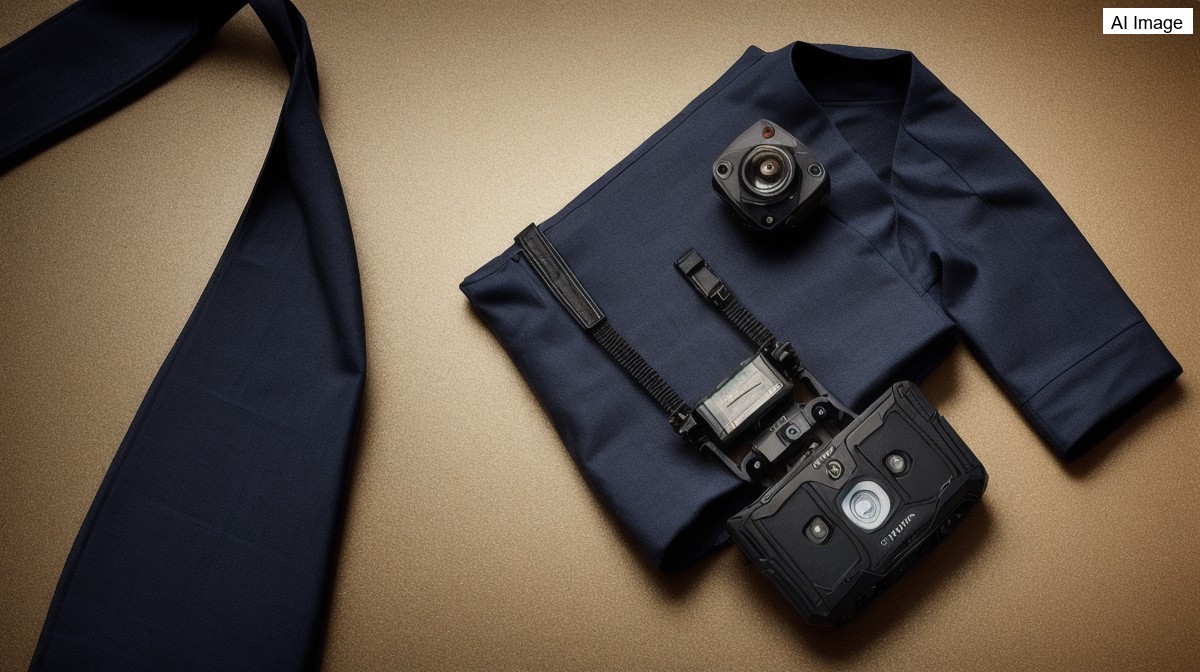
Calgary police officers can now communicate in more than 50 languages during routine interactions thanks to a groundbreaking real-time translation feature integrated directly into their body-worn cameras. The Calgary Police Service has become the first police force in Canada to deploy this technology, marking a significant advancement in the effort to remove language barriers between law enforcement and the diverse communities they serve across the city.
The translation system provides two-way communication in real time, meaning that both the officer and the community member can speak in their own language while the body camera handles the interpretation instantly. If officers are uncertain which language a person is speaking, the device is capable of automatically detecting and identifying it before initiating the translation, eliminating the guesswork that has historically complicated multilingual encounters.
Police leadership described the deployment as a major step forward in reducing language barriers directly on the frontline. The technology is designed for use during routine, low-risk interactions such as wellness checks, community engagement and non-emergency calls, where clear communication can prevent misunderstandings from escalating into more serious situations. Officers plan to add more languages to the system throughout the year as the technology evolves.
However, Calgary police have clarified that the translation feature would not be used to collect formal statements or evidence intended for use in court proceedings. Any translations required for legal purposes would still need to be reviewed and verified by a certified human interpreter, ensuring that the judicial system maintains its established standards of accuracy and reliability in multilingual cases.
Community advocate Sally Zhou welcomed the technology as a good compromise, acknowledging that it would be impossible for any single officer to speak dozens of languages themselves. However, she emphasised that the translation tool should work alongside human judgment, cultural awareness and other elements of human involvement, rather than replacing them entirely. She stressed the importance of ensuring that translations are accurate to avoid adding confusion rather than resolving it.
The deployment reflects the growing linguistic diversity of Canadian cities, where police officers routinely encounter residents who speak languages ranging from Mandarin and Punjabi to Arabic, Tagalog and dozens of others. Traditional approaches to language barriers, such as telephone interpretation services, can introduce delays and logistical challenges that the body camera integration is designed to overcome.
Calgary's pioneering adoption of the technology is being closely watched by other police services across Canada, several of which have expressed interest in implementing similar systems. As the country continues to welcome immigrants and refugees from around the world, the ability of law enforcement to communicate effectively with all community members is increasingly seen as essential to maintaining public trust, ensuring safety and delivering equitable policing services.