The 2026 FIFA World Cup will not only showcase the world's best soccer players, it will also serve as a stage for advanced technology, with artificial intelligence taking on a growing role inside the games. In a report by CBC News from Vancouver, organizers detailed how a new generation of tools, from a connected match ball to AI-driven analysis, is being woven into the world's largest sporting event.
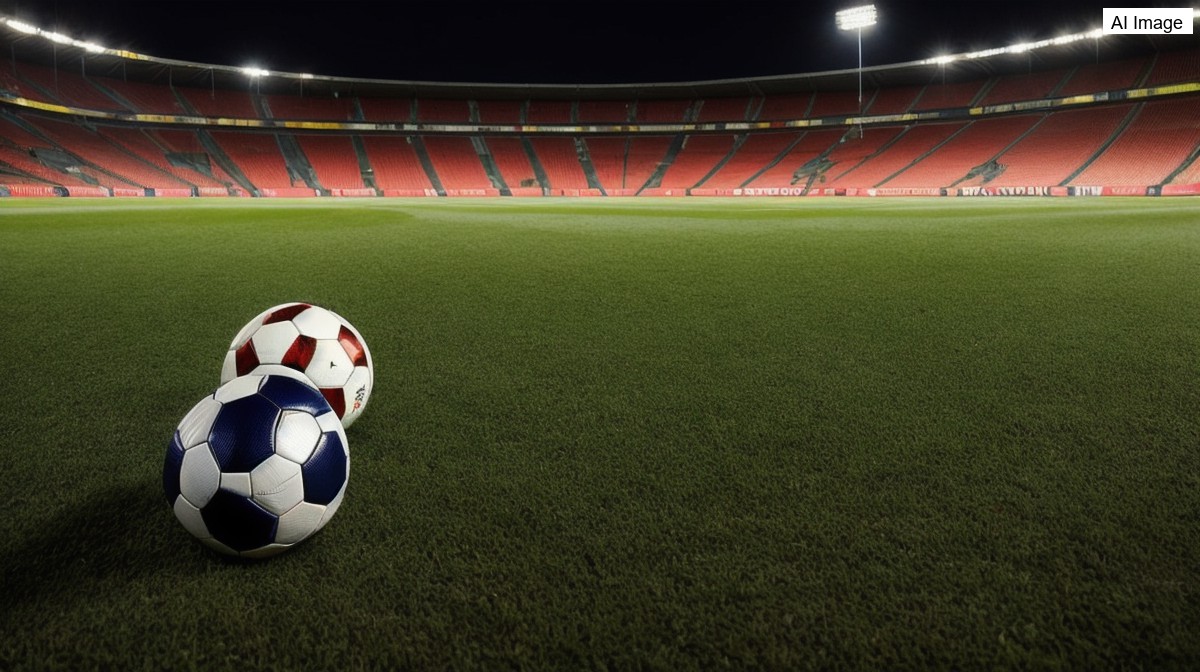
At the heart of the changes is what is being called connected ball technology, which tracks the spin, the speed and the point of contact of the ball in real time. The innovation places a tracker at the side of the ball, a design that, according to the report, increases the accuracy of the data being collected and allows that information to be live-streamed instantly to the side of the pitch during play.
That data feeds directly into officiating. Combined with semi-automated technology, the connected ball is meant to speed up the decisions made by match officials, particularly on the tightest calls. The scale of the improvement is significant: the report noted that the average offside call at the 2022 World Cup took around 35 seconds, a delay the new system is designed to cut down considerably.
The technology push extends to the players themselves. All 1,200 players taking part in the tournament will be put through a 3D body scan. Officials said the scans are not only useful for making accurate calls during matches, but will also help improve the 3D replays that fans see, giving viewers a clearer picture of contested moments and close decisions on the field.
FIFA is also turning to artificial intelligence to help teams analyze their performances. In the past, the report explained, officials would hand out post-match data in documents running 50 to 60 pages, which coaching staff then had to pore over. Now, those same staff can generate graphics and simulate tactics within seconds, sharply reducing the time once spent crunching the numbers by hand.
Organizers framed the rollout as an effort to level the playing field. By providing every team with the same access to the latest technology, one official said, the aim is to democratise the use, the access and the benefits of these tools so that no side is left at a disadvantage. Much of the technology is on display at Vancouver's Science World, which has been transformed into a giant soccer ball on the outside and a FIFA museum on the inside.
Not everyone is convinced the technology will be flawless. While some fans welcomed it, with one recalling how England was denied a goal years ago before goal-line technology existed, a sports data scientist cautioned that there are limits. He predicted there would be a moment or two of controversy where, rather than blaming the referee, observers would end up blaming the technology instead, a new wrinkle for the highest-stakes event in world sport.