Giant data centres are popping up across Canada as the country looks to develop an artificial intelligence economy under the banner of AI for all, but the build-out is running into a Made in Canada pushback. A new poll cited in a CBC News report by Nora Young found that almost seven in ten Canadians surveyed would oppose a large data centre in their neighbourhood, with rural residents even more strongly opposed.
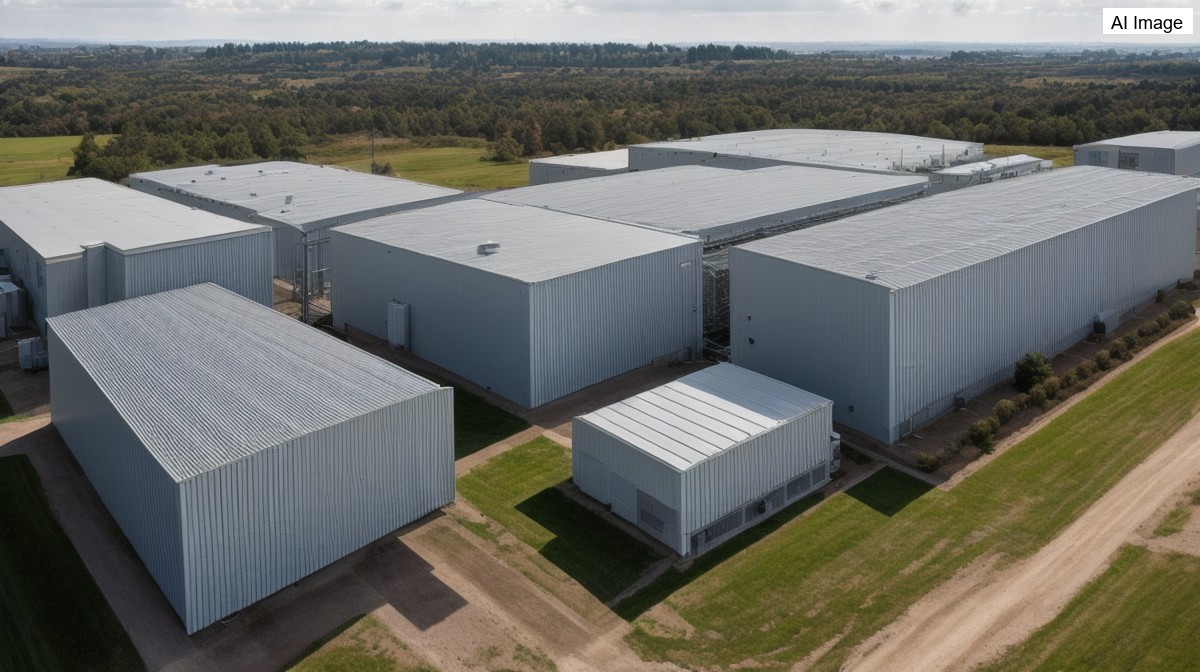
The scale and location of these facilities are changing fast. Once anonymous buildings tucked into cities and suburbs near their users, the new generation is far larger to meet the demands of AI and large-scale cloud computing. One developer described Alberta's first truly hyperscale data centre at ninety megawatts, with the first phase set to go live in the third quarter of this year, while in some cases a single centre now requires hundreds of acres of land.
Lindsay Rohlheiser, co-author of a new paper currently under peer review on the status of planned data centres, said the country is seeing a massive shift in where these facilities are proposed. The vast majority would be built in Alberta, drawn by cheap land and access to energy, with roughly ninety per cent of the build-out expected there. That marks a move away from Ontario, which has hosted much of the existing infrastructure.
Not all of these large centres are alike. Some are designed to process users' day-to-day AI needs, others are bigger and more powerful machines built to train AI models, and still others handle general cloud computing. According to the report, Canada currently has five so-called hyperscale data centres, but those numbers are multiplying as the AI race accelerates.
In Olds, Alberta, the concerns are immediate. Residents described fallout from emissions, sound and construction, with some preparing or listing their homes and local businesses looking to relocate out of town. Many said the lack of information has been acute, pointing to vague conversations at town council meetings and complaining there was no heads-up and no consultation before plans advanced.
The unease echoes resistance in the United States, where protests have cast AI data centres as noisy and as heavy consumers of energy and water. Water cooling has sparked particular alarm in Western states with limited supplies, and the report noted that Lake Tahoe's utility company has had to find a new source of power after its electricity supplier moved to divert city power to data centres. Alberta, by contrast, encourages developers to bring their own power.
Companies behind the Canadian projects argue the technology has changed and that today's facilities use far less energy and water than older designs. The Quebec company eStructure is building a ninety-megawatt hyperscale data centre due to open later this year in the Calgary area, relying on closed-loop systems that recirculate water rather than drawing from the city. Its representative pledged the company would pay its share for energy and ensure electricity rates do not go up for Canadians.
Running through the debate is a frustrating lack of clear, concrete information, partly because designs and power sources vary by location and partly because there are few real studies on the impacts. Researchers said it is still unclear whether the promised economic benefits are being achieved, with only a handful of unpublished working papers so far. The federal government is also expected to release an AI strategy focused on AI sovereignty that would include building out exactly these large facilities, a priority sharpened by the fact that much of Canada's cloud infrastructure is foreign-owned.