NORAD is establishing no-fly zones over FIFA World Cup venues in Canada and the United States during competition in June and July. Canadian and American military personnel working inside the Cheyenne Mountain complex in Colorado will monitor the skies around the clock.
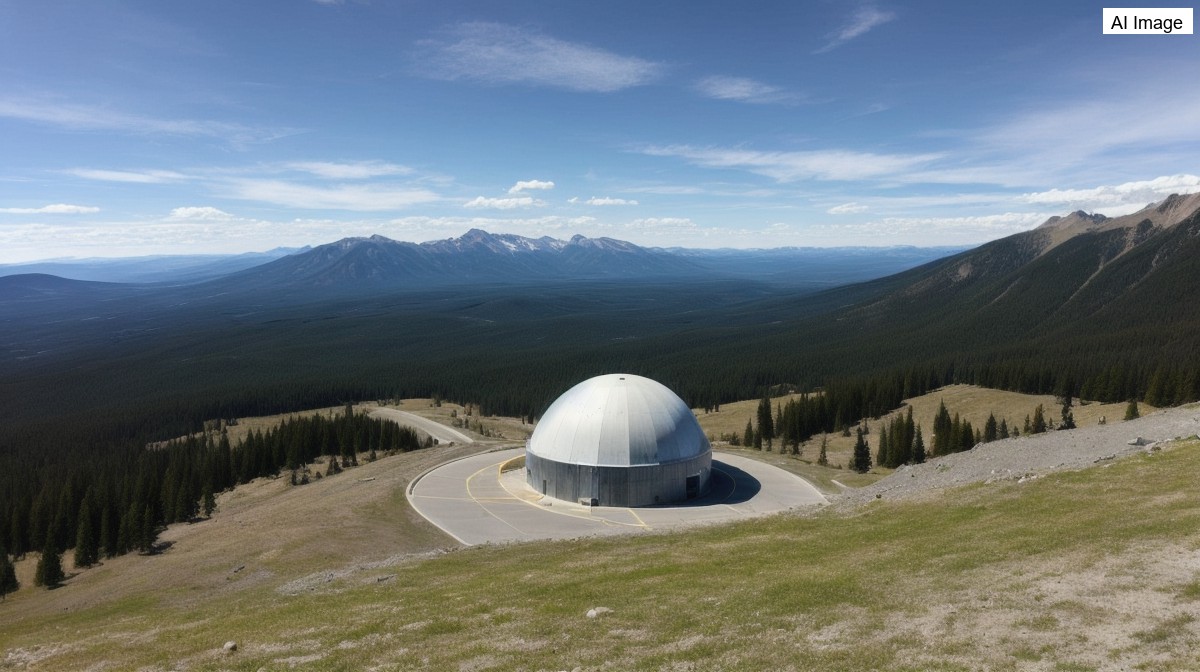
CBC News gained exclusive access to NORAD's secure Cheyenne Mountain facility, originally built to counter the Soviet nuclear threat. The underground complex, fortified with bomb-proof doors, now has a new task: protecting the world's biggest sporting event from airborne threats.
In the Canadian context, the air protection will translate into combat air patrols using Canadian aircraft during match times. If there is a concern above a World Cup site, fighter jets will likely already be in the area, with more available to scramble to the scene carrying weapons.
Early next week, people in Toronto may notice Canadian fighter jets intercepting a plane near the World Cup stadium. This will be a NORAD practice run for enforcing the no-fly zone, coordinated with civilian air traffic controllers and law enforcement on the ground.
The drone threat is a particular concern for security planners. NORAD is coordinating with police in both Canadian and American host cities. Officials say they have the capacity to detect drones and, if necessary, the technology to take them down.
The RCMP has stated that unauthorized drones will not be permitted within restricted airspace and that law enforcement will respond quickly and effectively to any unauthorized drone activity near World Cup venues.
All air defence operations will be coordinated with civilian air traffic controllers and law enforcement agencies on the ground. The multi-layered approach aims to ensure the safety of the millions of fans expected to attend matches across North America.