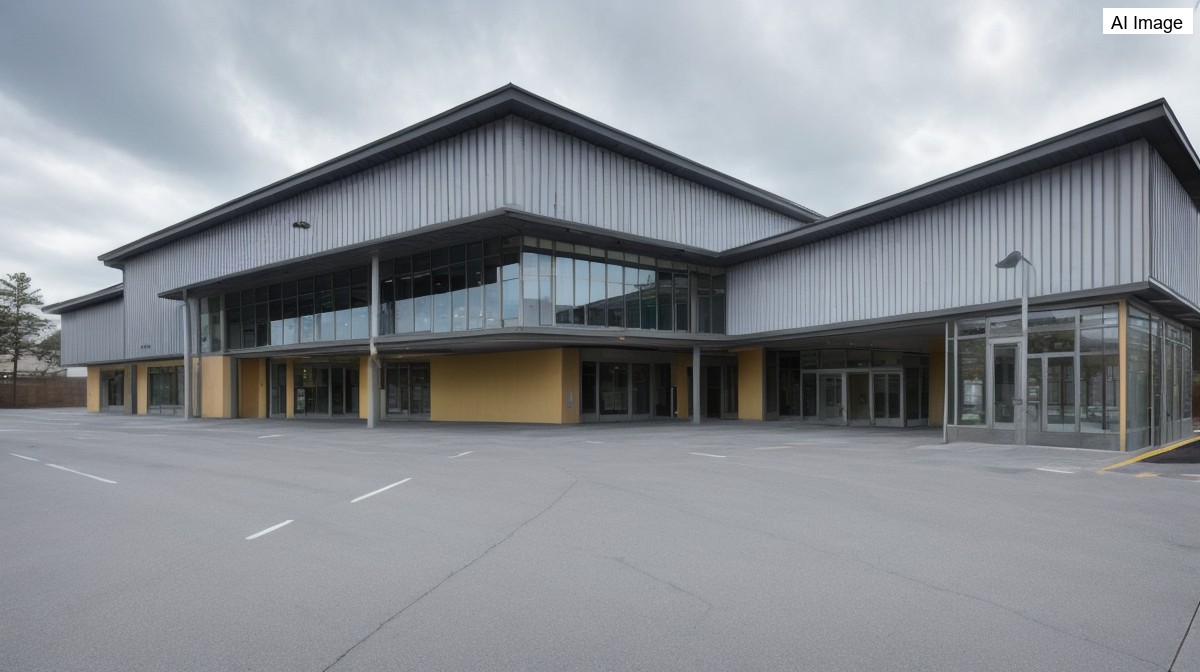
A brand-new Toronto transit station is at the centre of an accessibility dispute, after advocates said it opened without a proper way for people with disabilities to move between its two rail lines. Finch West Station, on the recently opened Line 6, is missing an elevator to connect the lines, forcing wheelchair users onto a long and awkward detour.
Instead of an elevator linking Line 1 and Line 6, the station offers stairs and a lengthy ramp. One advocate described it as possibly "the stupidest accessibility ramp" he had seen, an 80-metre climb that effectively takes riders up an entire floor. For many people with disabilities, he said, such a ramp is "just plain absurd" rather than a genuine solution.
Without a direct elevator between the two lines, wheelchair users are left with a convoluted alternative. According to advocates, they must take an elevator from one line up to ground level, head outside, navigate an intersection, and then use two more elevators to reach another part of the station, a far cry from a seamless transfer between platforms.
The complaint was laid out by the AODA Alliance, which posted a video criticizing the provincial transit agency, Metrolinx, over the design. The group argued the setup creates the illusion of accessibility without delivering the reality of it, and its call for accountability was backed by the advocacy group TTC Riders.
The problems, advocates say, were not hard to spot. TTC Riders said the issues were noticed as soon as Line 6 opened late last year. On paper, one advocate acknowledged, the station is billed as step-free accessible, but in practice it falls short, pointing to what they called a lack of feedback from the people who actually use the system.
The dispute also highlights a broader failure. Under provincial law, the TTC was required to make all of its subway stations fully accessible by 2025, a legislative deadline the agency has now officially missed. Advocates warn that with design oversights and broken elevators, older door-to-door services like Wheel-Trans cannot yet be safely phased out.
Advocates are demanding that Metrolinx bring in an independent expert to conduct a full accessibility audit and produce a verified list of barriers, along with plans to fix them. In a statement, the TTC said it remains committed to accessibility and aims to have 97% of its legacy subway stations accessible by the end of the year, while Metrolinx did not provide a statement by deadline. The TTC board is expected to receive an infrastructure update this week.