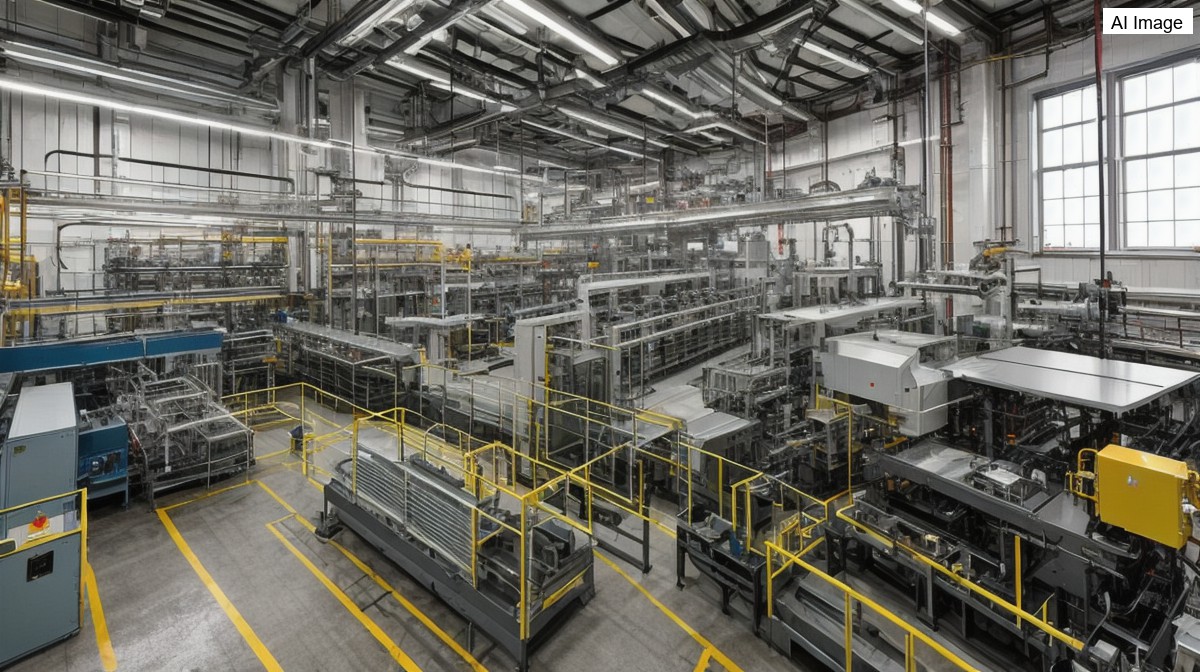
China's factory activity picked up this month, providing a much-needed boost to authorities as Beijing battles to revive the domestic economy. The official manufacturing purchasing managers' index hit 50.3 in June, up from 50 in May and topping market estimates, a sign that the country's vast industrial base regained a measure of momentum at the close of the second quarter.
The figure is significant because it sits above the 50-point mark that separates expansion from contraction, meaning activity in the sector grew rather than shrank. After hovering right on the dividing line a month earlier, the slight improvement suggests that manufacturers managed to nudge output back into positive territory despite a difficult external and domestic backdrop.
The PMI readings are among the first concrete indications of how the world's second largest economy fared at the end of the second quarter. As one of the earliest data points to be released each month, the index is closely watched by investors and policymakers alike for clues about the underlying health of Chinese industry and the broader trajectory of growth.
The recovery comes against a turbulent international backdrop. The manufacturing sector has faced considerable uncertainty this year from the war in the Middle East, which has driven up global energy prices and added an extra layer of cost pressure for factories that depend on stable and affordable inputs to keep their production lines running.
Those external headwinds compound a set of stubborn problems closer to home. The economy is still grappling with lacklustre household spending, which has held back domestic demand, as well as a years-long debt crisis in the vast property sector that continues to weigh heavily on confidence and on overall growth prospects.
Analysts caution that, while the economy has regained some momentum lately, the rebound remains fragile and uneven. They note that growth is still heavily dependent on exports and on demand tied to artificial intelligence related technology, leaving China exposed should global trade conditions sour or the appetite for high-tech goods cool in the months ahead.