From set-jetting inspired by film and television to food tourism and after dark noctourism, 2026 is shaping up as the year of experiential travel, with travelers chasing stories, flavours and immersive moments.
The way people travel is changing fast, and 2026 is shaping up to be the year of the experience. Rather than simply ticking sights off a list, travelers are increasingly chasing stories, flavours and moments that feel personal, immersive and worth sharing.
One of the clearest examples is set-jetting, the growing habit of planning trips around places seen on screen. According to industry research, around 81 percent of Gen Z and millennial travelers now choose destinations based on locations featured in films and television series.
A multi billion dollar phenomenon
This is no longer a niche curiosity. Set-jetting is projected to become a potential 8 billion dollar industry in the United States alone, and the travel platform Expedia has predicted a further surge in screen inspired trips throughout the course of 2026.
The shows driving the trend are easy to spot. Fans are flocking to the Parisian cafés of Emily in Paris, the sun drenched settings of The White Lotus in Sicily and Hawaii, and the British backdrops of series such as Bridgerton and Outlander.
Tourism boards join the story
Destinations have quickly noticed the opportunity. Tourism boards are increasingly collaborating with studios and streaming platforms, hoping that a starring role on screen will translate into a wave of curious visitors eager to walk through their favourite scenes.
Food takes centre stage

Alongside screens, the plate has become a powerful reason to travel. In 2026, authentic culinary experiences are among the key drivers of destination choice, as travelers seek out local markets, family run kitchens and regional specialities to taste.
The appetite is backed by real spending. Research by Oxford Economics found that tourists are willing to pay significantly more, up to 250 dollars extra per person per day, for high quality food and drink, turning a good meal into a genuine trip highlight.
The rise of noctourism
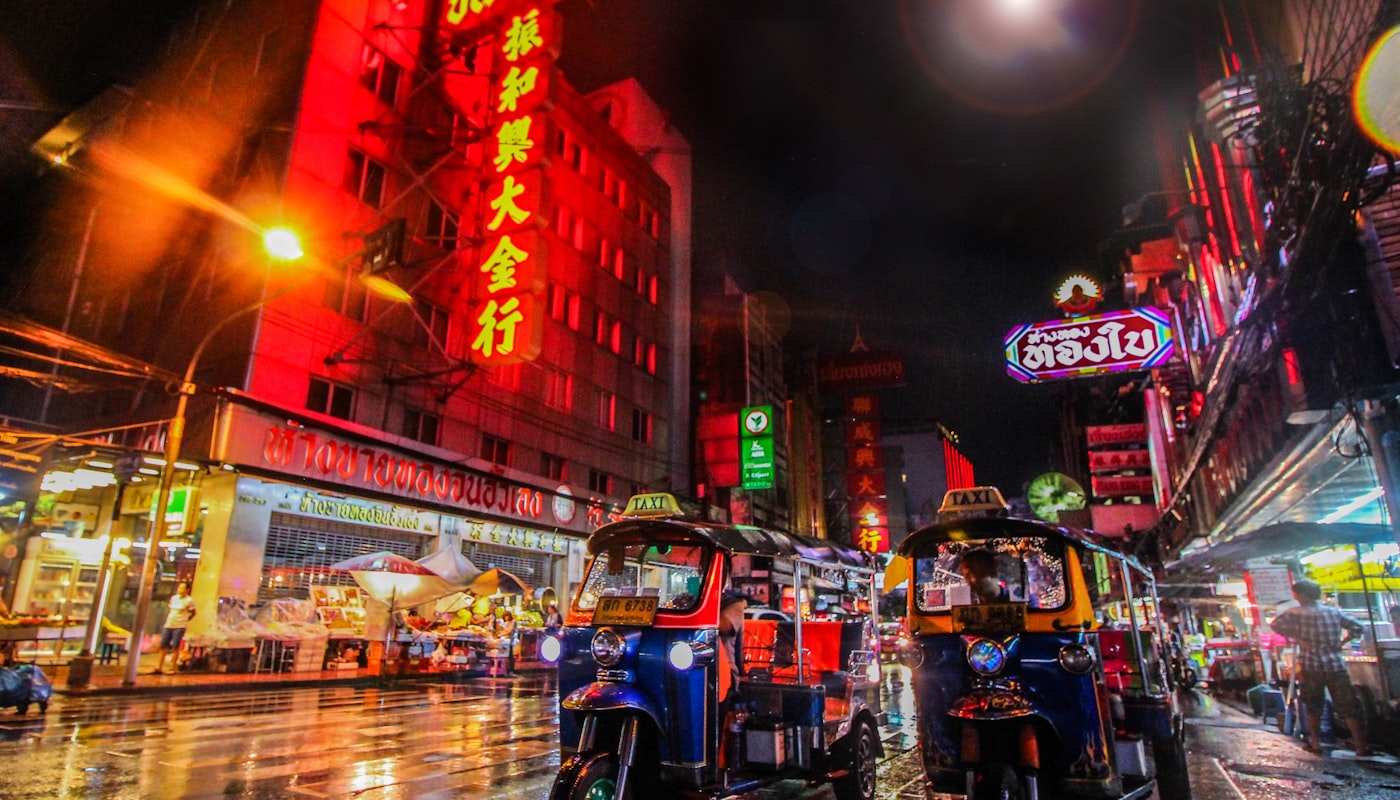
As the sun goes down, another trend takes over. Known as noctourism, it centres on after dark experiences, from the buzzing night markets of Bangkok and Taipei to stargazing under the clear skies of remote dark sky parks scattered around the world.
Travelling with a purpose
Many journeys are also becoming more personal. So called purpose driven travel is on the rise, with some choosing wellness focused escapes and silent retreats, while others set off in search of growth, healing or simply a proper digital detox.
Solo travelers keep exploring
At the same time, solo travel continues its steady climb. Research from Hostelworld found that freedom and spontaneity are among the biggest motivations for those who choose to explore the world on their own terms and at their own pace.
What it all means
Running through every one of these trends is a common thread. Experiential travel has moved from the margins to the mainstream, becoming the defining force that shapes how people plan, enjoy and remember their journeys in 2026.
The shift marks a clear move away from the old checklist approach to sightseeing. Instead of racing between landmarks, travelers increasingly want to feel part of a place, whether through its stories, its food or its vibrant nightlife.
For the travel industry, the message is clear. Those who can offer authentic, emotion driven experiences are best placed to win over a new generation of curious explorers, for whom the journey now matters just as much as the destination itself.
Nice deep look at travel trends 2026.
Learned a lot about travel trends 2026 here.
My thoughts exactly.
 Keep following Sofia BernasconiHer next filing reaches you the moment it publishes, on her own subdomain.
Follow
Keep following Sofia BernasconiHer next filing reaches you the moment it publishes, on her own subdomain.
Follow