Renewable energy supplied nearly half of the European Union's electricity in the opening months of 2026, according to new figures that underscore the bloc's accelerating shift away from fossil fuels. The data points to steady, continued growth in clean power across the continent.
The headline number came from Eurostat, the EU's statistical office. It reported that renewable sources generated 45.5% of the EU's total electricity in the first quarter of 2026, up from 42.7% in the same period a year earlier.
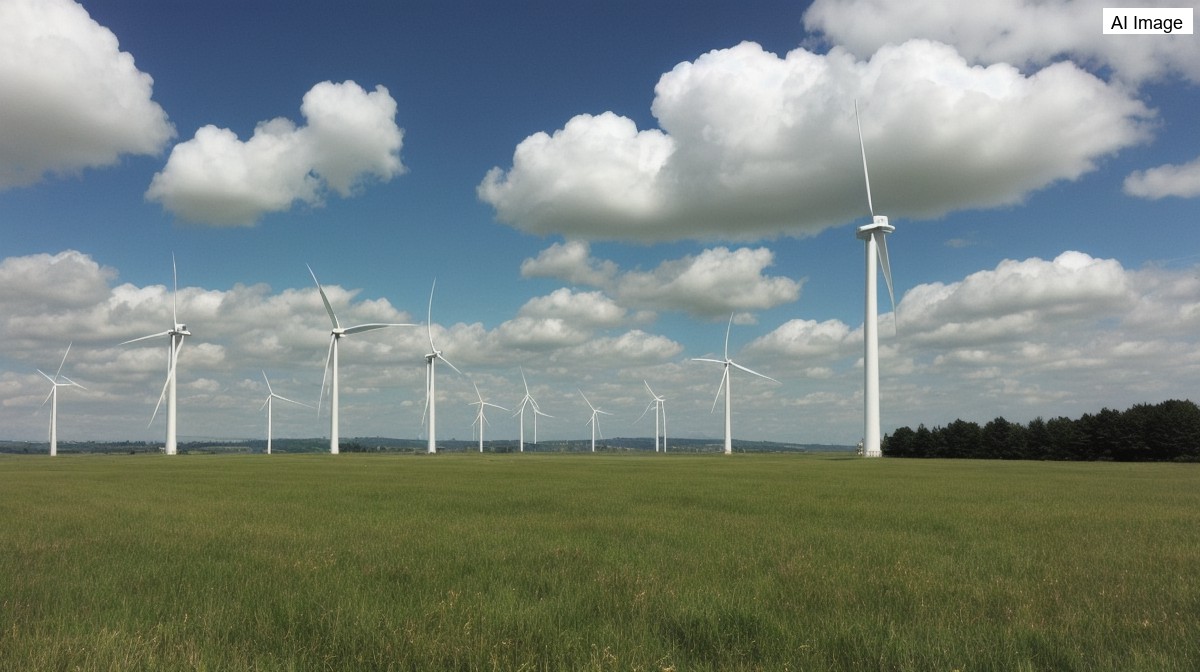
Wind power did the heavy lifting. It was the single largest source of renewable electricity in the EU, accounting for roughly 44.9% of the renewable total, ahead of hydro power at about 28% and solar at 17.3%, with the remainder coming from sources such as biofuels and geothermal.
Some countries stood far above the rest. Denmark generated the highest share of its electricity from renewables at 90%, mostly from wind, followed by Portugal at nearly 83%, driven largely by hydro, and Lithuania at about 76%, another wind leader.
At the other end of the spectrum were the member states that have leaned least on renewables so far, a reminder that the pace of the energy transition still varies widely from one country to another across the 27-nation bloc.
The shift carries a financial upside as well as an environmental one. According to the International Energy Agency, cutting its imports of fossil fuels helped the EU save more than 50 billion euros in 2025, a notable figure at a time when gas prices have been elevated.
Officials have framed the growth in renewables as central to two goals at once. Investing in clean power helps drive down greenhouse gas emissions while also lowering energy costs, and it fits into a broader EU push to secure its energy supply and reduce its dependence on imported fuels.
Taken together, the latest quarter marks another step in the EU's long-running energy transition. With wind continuing to expand and several countries already drawing the vast majority of their power from renewables, the figures suggest the balance of Europe's electricity mix is steadily tilting toward cleaner sources.