The BBC has brought an end to one of the longest-running features of British broadcasting by switching off its longwave radio transmission. The move, which took effect on Saturday 27 June, closes a chapter that had endured for decades, with the transmitter stations now being shut down. BBC Radio 4 had been a fixture of longwave for generations of listeners, and its signal was powerful enough to be picked up many miles away, including by audiences well outside the United Kingdom.
At the heart of the story is the Droitwich transmitter, which carried Radio 4 on a wavelength of 1,500 metres, just shy of a mile from crest to crest. According to broadcast historian Jeffrey Berinsky, who joined the BBC to mark the moment, the defining property of these long waves is that they can travel enormous distances, bending around the curvature of the Earth far more readily than shorter signals. It was that quality that allowed a single station to blanket much of the country.
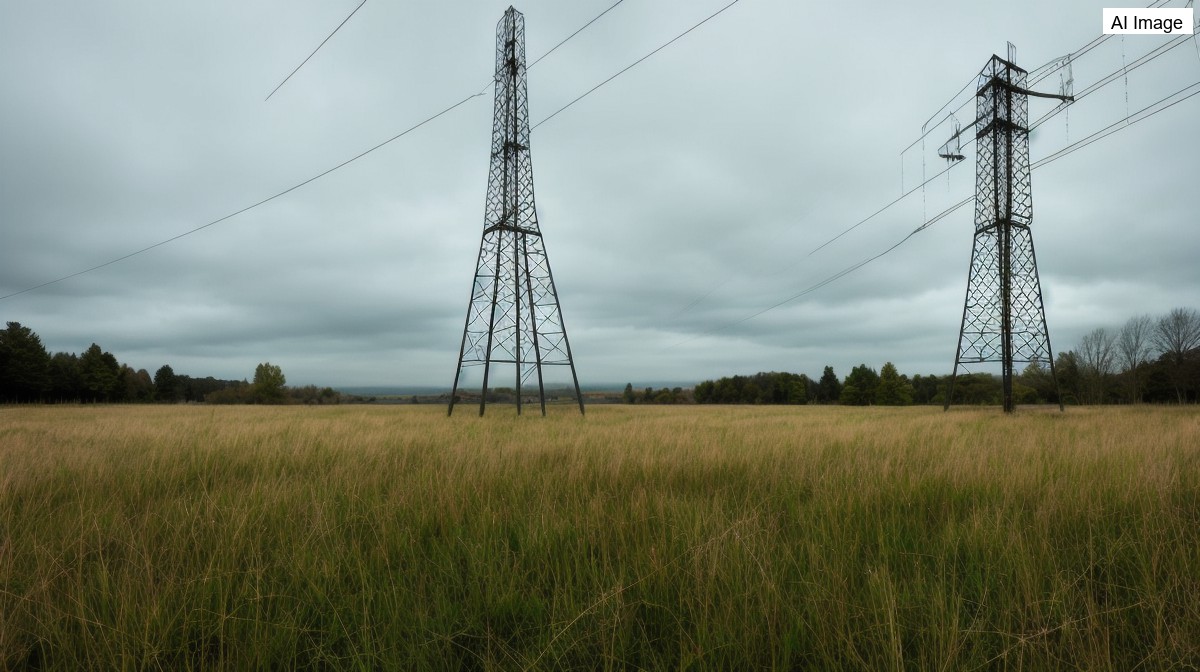
Reaching across such distances came at a cost in sheer power. The Droitwich transmitter pushed out 500 kilowatts, fed into a towering aerial some 200 metres high, around 700 feet, strung with a great deal of wire. The combination of high power and a vast antenna was what launched the long waves out across the kingdom and beyond, a feat of engineering that defined the early decades of national radio.
The origins of the service stretch back to the earliest days of the BBC. Broadcasting began from Daventry in 1925, in the era when the BBC still stood for the British Broadcasting Company, before it became the Corporation. In 1934 the operation moved to Droitwich, a site chosen carefully near the centre of the kingdom so that one station could cover the entire country, supported by only a small reinforcement from a couple of stations in Scotland.
The sheer strength of the transmission also produced some memorable quirks for those who lived nearby. Berinsky recalled how residents close to the masts could find the signal turning up in unexpected places, with rusty drainpipes and fences sometimes acting as crude receivers. There were even long-standing accounts, he suggested were more than mere urban myth, of people's dental fillings picking up the broadcast, leaving Radio 4 seemingly emanating from a drainpipe or even someone's mouth.
With the transmitters now being decommissioned, the distinctive technology that carried British radio across the country and out over the seas for the best part of a century falls silent. For the listeners and engineers who grew up with it, the end of longwave is being treated as the close of an era, a final switch-off for a piece of broadcasting heritage that long outlived the arrival of newer ways to listen.