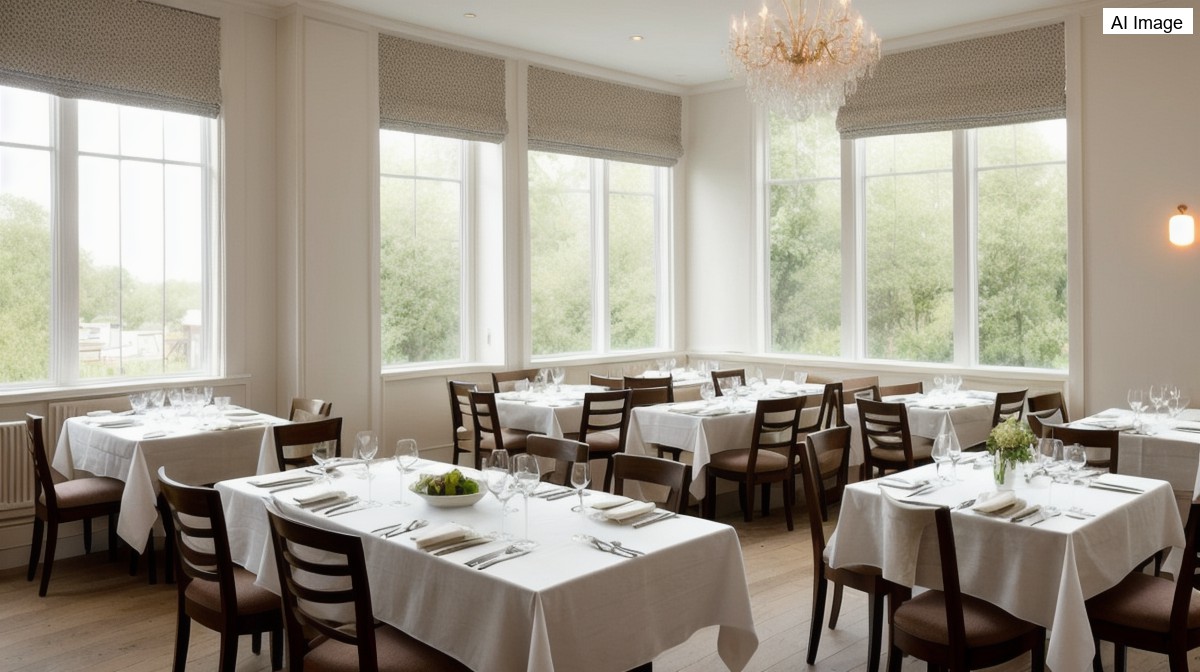
Veeraswamy, described as Britain's oldest Indian restaurant, is fighting to remain at its long-standing home on London's Regent Street as it battles the Crown Estate over its future. The restaurant, which has occupied the same site since 1926, is now heading to court to challenge an attempt to evict it from the premises it has held for close to a century.
Over its long history, the restaurant has become a fixture of the capital, loved for decades by prime ministers as well as ordinary diners stopping in for an everyday lunch. It is said to have once served Winston Churchill, and its co-owner described it as a legendary establishment whose reputation has been built over generations of guests.
Co-owner Ranjit Mathrani said the Crown Estate, which acts as the landlord, decided not to extend the restaurant's lease, and that the two sides have been locked in a dispute ever since. He said the company had tried to negotiate behind the scenes and had used every avenue open to it, but had been unable to resolve the matter.
According to Mathrani, the landlord now appears determined to pursue an expensive court case rather than reach a settlement. He suggested the approach would also cost the Crown Estate money, including through rent delayed by the prolonged standoff, and called the situation unfortunate for a business that has been a long-term tenant.
Mathrani accused the Crown Estate of repeatedly shifting the grounds for its position. He said it had begun by indicating that it wanted a small ground-floor entrance in order to enlarge the reception area for managed offices, and that when the restaurant put forward proposals to share the space, it received no response.
The dispute, he said, later moved on to the question of rent, with the owners offering to match the figures the landlord claimed it could secure from office tenants. Despite those offers, Mathrani said, the objections continued to change, leaving the restaurant feeling that it had tried to accommodate the landlord's plans at every stage without success.
For the owners, the case is about protecting both a business and a piece of London's culinary history that has welcomed guests on the same street for generations. Mathrani argued that the restaurant was exactly the kind of establishment that should be safeguarded rather than forced out, and said it intended to make that argument when the matter reaches court.