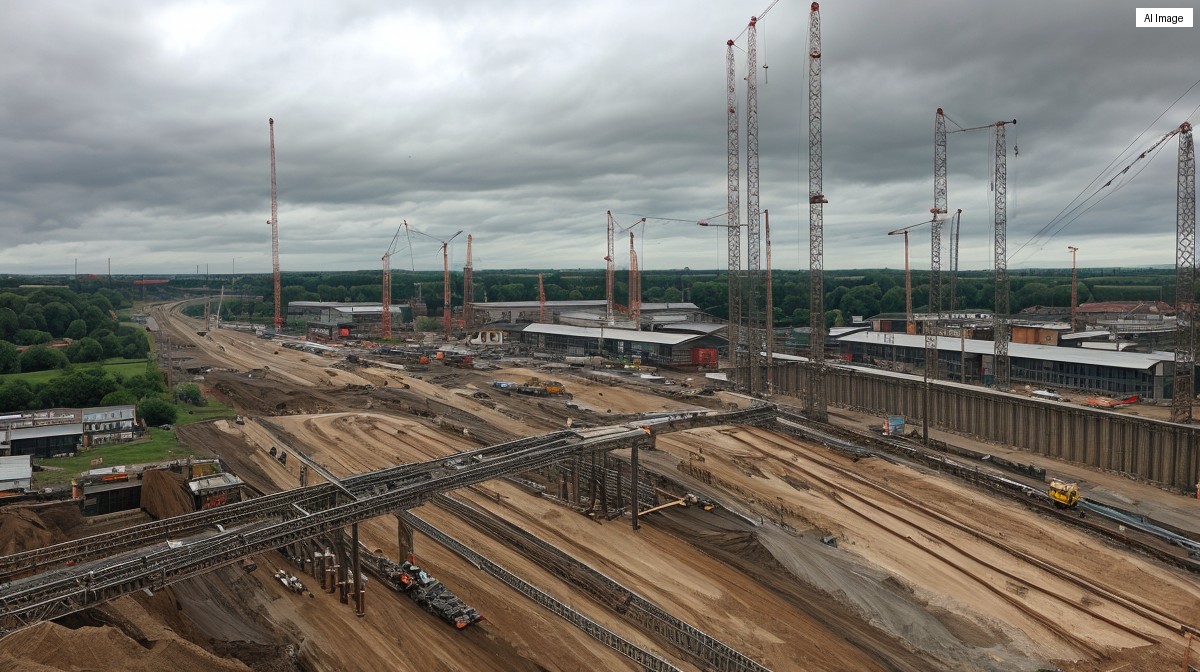
Britain's HS2 high-speed rail project is set to become the most expensive railway ever built, with projected costs reaching £100 billion. The figure surpasses NASA's Artemis moon programme in total expenditure, a comparison that has drawn widespread criticism and renewed questions about the project's value for money.
The eye-watering cost estimate was highlighted in a review featured across multiple UK newspaper front pages. The project, which has been plagued by delays, cost overruns and route truncations, was originally estimated at £37.5 billion when approved in 2012. The current route has been scaled back to run only from London to Birmingham, rather than the originally planned northern extension to Manchester and Leeds.
The revelation has reignited debate about major infrastructure spending in Britain. Critics argue the money could have been better spent on existing rail improvements across the country, while supporters maintain that new high-speed rail capacity is essential for the UK's long-term economic competitiveness and connectivity.
The comparison with the Artemis programme, NASA's ambitious plan to return humans to the Moon, puts the scale of HS2's costs into stark perspective. While Artemis aims to establish a sustained human presence on and around the Moon, HS2 will deliver a single rail line connecting two cities approximately 120 miles apart.
This article was prepared by AVALW News editorial based on monitoring Sky News live broadcast (detected at 01:45 UTC on 19 May 2026). The original segment can be viewed at: https://www.youtube.com/watch?v=YDvsBbKfLPA&t=5711s