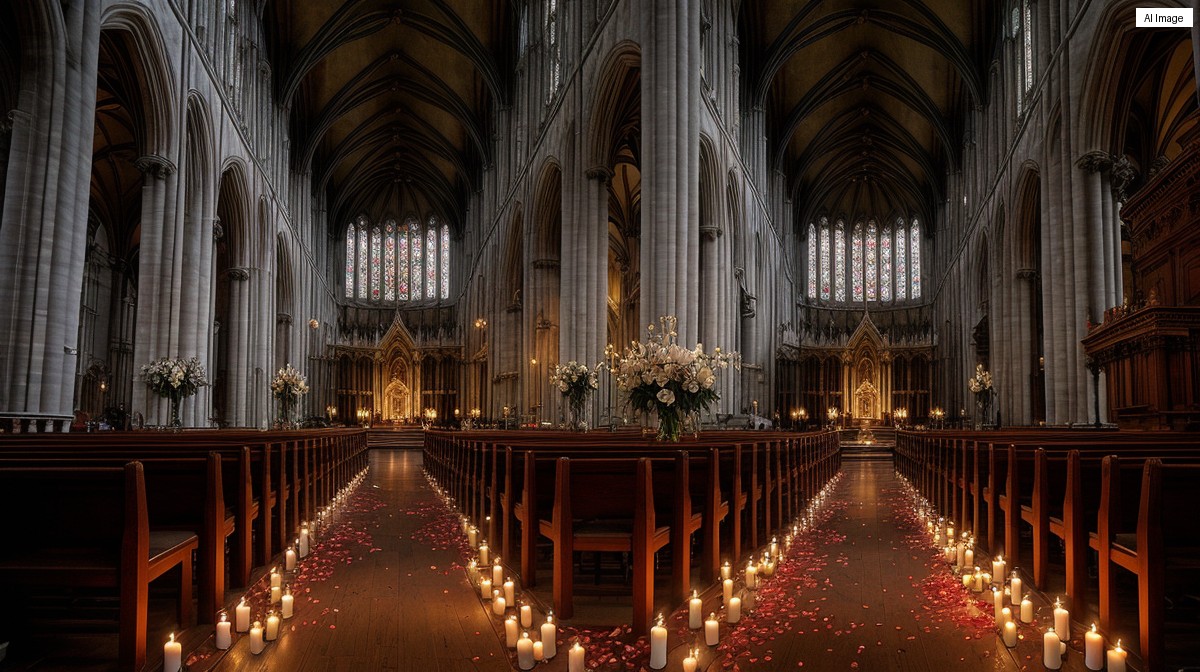
A solemn commemoration was held at St Paul's Cathedral in London to honour the victims of the infected blood scandal, described as the worst treatment disaster in the history of the National Health Service. The gentle flutter of petals from the Whispering Gallery marked the memories and lives of those impacted through the 1970s and 1980s, when 30,000 people were infected with HIV and hepatitis following contamination of blood products.
More than 3,000 people have subsequently died as a result of the contaminated blood, and the fight for compensation continues for those impacted and their families. Empty seats were placed among the congregation at St Paul's to mark those who could no longer be present, a powerful visual reminder of the scale of loss suffered over decades of campaigning for justice.
So far, 2.1 billion pounds of compensation has been paid out to around 2,000 to 3,000 eligible individuals. However, 18,500 people have registered for compensation, and campaign groups say the pace of payments remains extremely dissatisfying. Priority was given to people living with their infections, but the estates of those who died are still waiting with no timescale for when they will receive their compensation.
Kate Bird, Chief Executive of the Haemophilia Society, told reporters that the suffering is not just of the past. "Parents who lost their children, children who lost their parents, are still having to fight and campaign and battle. Not for compensation, the money to a certain extent is irrelevant, but for justice, for truth, for recognition," she said. She urged the government to get on with it and recognise the victims before too many more people die.
The commemoration comes after an inquiry was held and released report findings in 2024, with further findings released in 2025. The inquiry uncovered decades of cover-ups and institutional failures that allowed contaminated blood and blood products to be used on patients, including children with haemophilia who were given infected Factor VIII concentrates.
For the infected blood community, the fear remains that this kind of scandal could happen again and devastate another community. Comparisons have been drawn to other state failings including Grenfell, Windrush, and Hillsborough. Survivors and their advocates continue to call for systemic changes to prevent future tragedies, alongside faster delivery of the compensation owed to those affected.