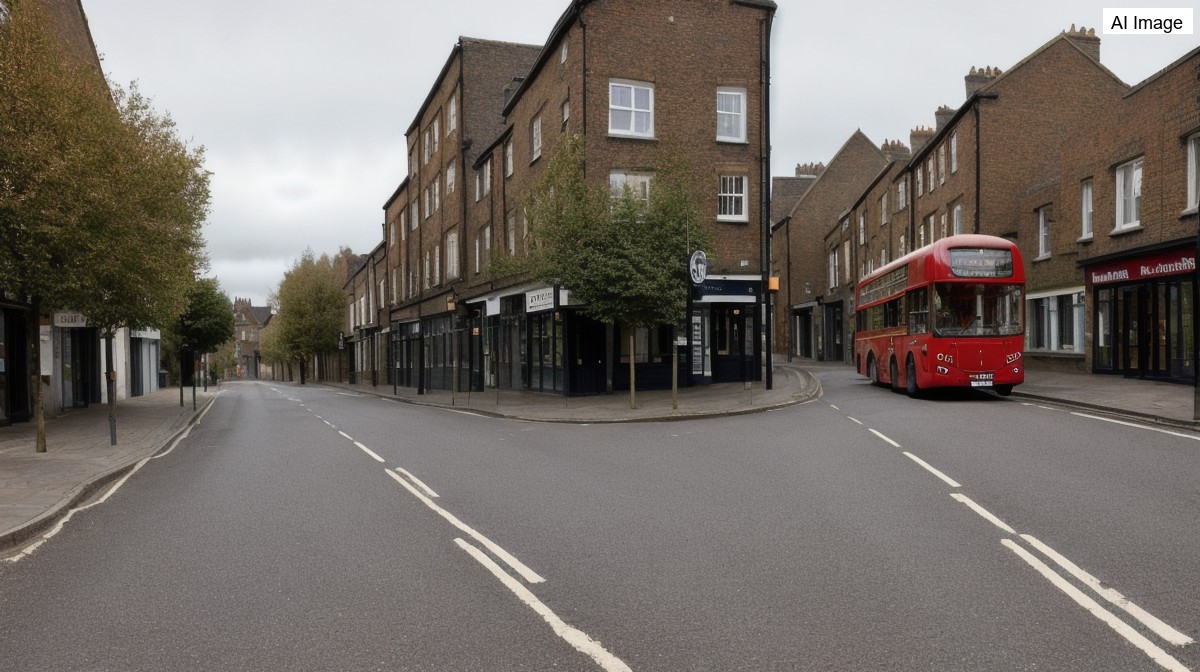
Britain's new Prime Minister, Andy Burnham, has pushed ahead with his efforts to tackle the cost of living, announcing a pledge to cap bus fares at £2 across England from January. The measure is one of the first big cost-of-living commitments of his time in Downing Street, and the government says the cap would be guaranteed for the whole of 2027, putting money back into passengers' pockets on everyday journeys.
The plan effectively takes a policy that has already been running in Greater Manchester and spreads it across the country. Under the Bee Network, which Burnham championed as Greater Manchester Mayor, a £2 cap has proved popular with passengers, who describe it as simple and say it has made getting around noticeably cheaper than it was years ago. It is that everyday saving the new Prime Minister now wants to extend nationwide.
How the pledge will be paid for has quickly become a central question. The government says the money will come from reprioritising its budget, specifically by changing international climate donations and drawing on repayable loans. That funding route, tied to the aid budget, has already drawn concern from charities and umbrella groups representing non-governmental organisations, who see it as a continuation of the approach taken under the previous government.
The idea itself is not new. A similar £2 cap was introduced by the Conservatives in 2023 for a two-year period, and Labour, on coming to power, had described it as unaffordable. By reviving and expanding the scheme, Burnham is reaching back to a policy his own party had previously criticised, a point that has not gone unnoticed by commentators watching the early days of his government.
Supporters argue that lowering fares does more than trim costs. Cheaper travel has been linked to helping people reach work and job interviews, an issue highlighted in a report by Alan Milburn into the number of young people not in education, employment or training. Research also suggests that reducing bus fares tends to boost ridership, whether for leisure or commuting, and buses are used more heavily by those on lower incomes than rail, which is often more expensive.
Critics and campaigners caution that a cheaper fare only helps if there is a bus to catch. Figures cited by the Campaign for Better Transport suggest that around one in seven people in England live in places that do not meet the minimum baseline for bus service, with some rural areas facing severe gaps. Campaigners estimate that roughly £500 million a year, or even a little less, would be enough to lift those worst-served areas up to a reasonable level of provision.
There are also practical uncertainties around delivery, including how many operators will take part, given that they can opt out of the scheme. The pledge lands during a busy opening stretch for the new Prime Minister, who has faced questions over wider funding and has denied that taxes will have to rise, saying only that such matters will be looked at when the budget is set. For now, the £2 cap stands as an early, symbolic marker of how his government intends to approach the cost of living.