Local councils in Britain have voiced frustration that they are being kept in the dark by the Home Office over the asylum hotels in their areas. The complaint has come to the surface again after asylum seekers were removed from one such hotel, with the local authority left struggling to find out what had actually happened on a site within its own boundaries.
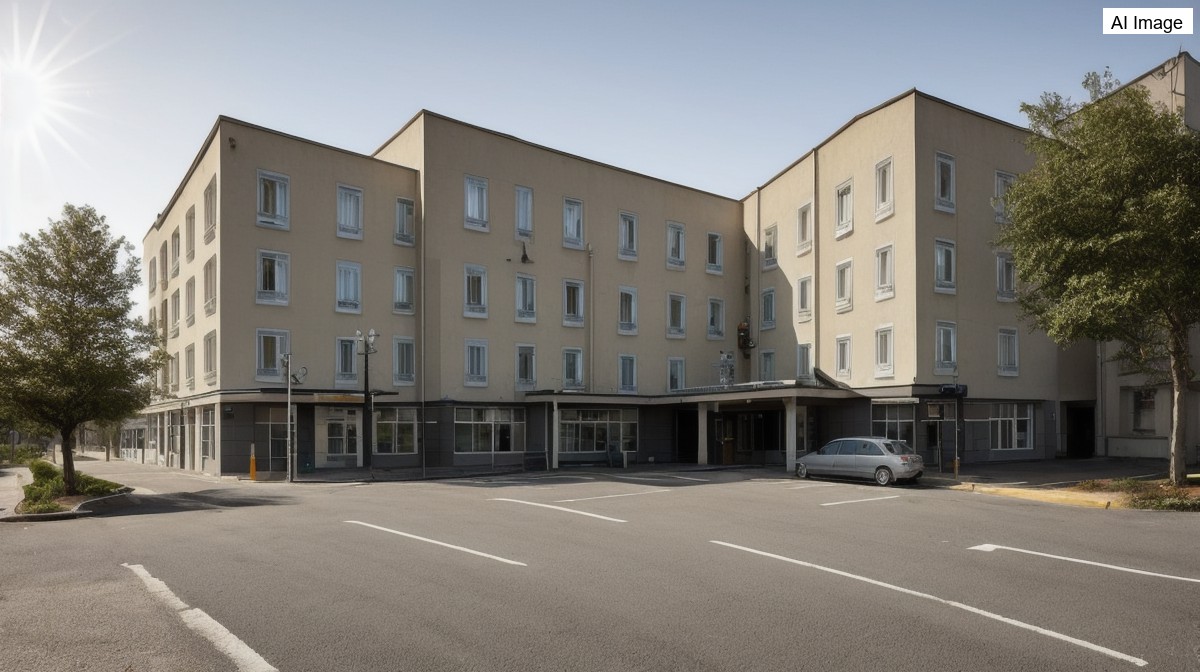
The hotel at the centre of the episode is the Bell Hotel, a building that had become the focus of large local protests. For months it had been one of the most contested sites in the debate over how and where asylum seekers are housed, and the demonstrations around it had turned it into a flashpoint well beyond the immediate neighbourhood.
The immediate development was the removal of the people who had been staying there. According to the Home Office, the residents were removed from the hotel because of fire safety concerns. That official explanation framed the move as a matter of safety rather than a change in policy at that particular location.
The local council, however, was left with only a partial picture. It said that only security staff were remaining on the site and that it was seeking clarification from the Home Office about the situation. Rather than being informed in advance, the authority found itself trying to piece together what had taken place and why.
That gap became the wider point. One account of the events noted that the council simply did not know what was going on, and pointed to it as an illustration of how many local authorities are kept in the dark by the Home Office about these asylum centres and hotels. The case was presented as a symptom of a broader pattern rather than a one-off lapse in communication.
The tension between councils and central government over such sites is not new. In one instance a council went so far as to take the government to court, arguing that it did not want a hotel used for this purpose in its area. That legal challenge underlined how far some local authorities have been willing to go when they feel decisions are being imposed on them from above.
For its part, the Home Office set out a broader policy direction. It said the government was removing the incentives drawing illegal migrants to Britain, that it was closing every asylum hotel and moving asylum seekers into basic accommodation, including ex-military sites. It added that the population of asylum seekers in hotels had fallen by 35 percent in the last year, and by 63 percent compared with the peak under the previous government.